
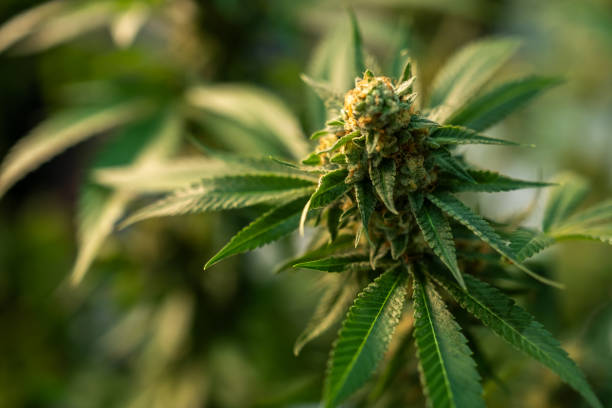

Chasing the highest Tetrahydrocannabinol (THC) percentage rarely delivers the cannabis experience you’re after. Two strains with identical THC levels can produce completely different effects – one energizing, another sedating. The difference? Their terpene profiles.
Terpenes are natural compounds that create each strain’s distinct aroma and significantly influence how cannabinoids interact with your body. Research shows these aromatic molecules work alongside THC through what scientists call the entourage effect, modulating cannabinoid activity to enhance or soften specific effects. A strain rich in myrcene produces relaxing sensations, while limonene-dominant profiles (learn more: Limonene Terpene Effects) tend toward uplifting experiences – regardless of THC content.
This explains why that 30% THC strain disappointed you while a 19% option became your go-to. Understanding terpene profiles transforms strain selection from guesswork into a data-driven process. When you analyze the dominant terpenes in strains that work for you, you create a personalized roadmap for consistently finding cannabis that matches your desired effects.
Learning to read terpene profiles means never settling for random purchases based solely on THC numbers again.
How to Read a Terpene Profile?
Reading a terpene profile starts with locating the terpene section on your product’s Certificate of Analysis (COA) or dispensary label. Look for a chart listing individual terpenes with corresponding percentage values, typically measured in mg/g or as a percentage of total composition.
Step 1: Identify the dominant terpene – the compound with the highest percentage, usually 0.5-2% in quality cannabis strains. This primary terpene drives the strain’s core aroma profile and effects. Myrcene-dominant profiles (earthy, musky) typically produce calming experiences, while (citrus) lean energizing.
Step 2: Note secondary terpenes – compounds appearing at 0.1-0.5% that modulate the dominant terpene’s influence. A strain with dominant Caryophyllene (spicy, peppery) plus secondary Limonene creates different wellness benefits than Caryophyllene paired with Myrcene. These combinations generate the entourage effect that shapes your cannabis experience.
Step 3: Check total terpene content – sum all percentages to assess overall potency. Premium strains typically show 2-4% total terpenes, with craft cultivars sometimes exceeding 5%. Higher totals generally indicate more pronounced aromas and stronger modulation of cannabinoid content effects.
Compare profiles from strains that delivered your ideal effects. When you spot patterns – like consistent Limonene presence above 0.3% in strains you enjoyed – you’ve unlocked a customizable approach to strain selection that transcends simple THC numbers.
What is Considered a High Terpene Profile?
Industry standards classify cannabis flower with 2-4% total terpene content as having a robust profile, while products exceeding 4-5% qualify as exceptional. Most commercial cannabis falls between 1-2%, making anything above that threshold notably terpene-rich.
Individual terpene concentrations provide additional quality indicators. Dominant terpenes appearing at 1-2% or higher signal premium cultivation practices and genetic quality. Secondary terpenes registering above 0.3% contribute meaningful sensory characteristics and wellness benefits, while compounds below 0.1% typically exert minimal influence on your experience.
Quality benchmarks to analyze:
- Standard products: 1-2% total terpenes, dominant terpene 0.3-0.8%
- Premium selections: 2-4% total terpenes, dominant terpene 0.8-1.5%
- Craft-level excellence: 4-5%+ total terpenes, dominant terpene 1.5-2.5%
Fresh, properly cured cannabis maintains higher terpene concentrations than aged or poorly stored products. Terpenes are volatile compounds that degrade with heat, light, and oxygen exposure, so recent research emphasizes storage conditions alongside cultivation techniques as critical quality factors.
When comparing strains, prioritize total terpene percentage alongside your preferred dominant terpenes. A 3.5% profile matching your desired terpene combination delivers more consistent effects than a 5% profile with unfamiliar compounds.
Decoding Common Terpenes and Their Effects
Understanding individual terpenes transforms how you select cannabis strains. Each aromatic compound delivers distinct wellness benefits and sensory characteristics that combine to shape your overall experience.
| Terpene | Aroma Profile | Primary Effects | Typical Concentration |
| Myrcene | Earthy, musky, herbal | Calming, sedating, muscle relaxation | 0.5-2% (often 20-50% of total terpenes) |
| Limonene | Citrus, lemon, orange | Uplifting, mood enhancement, stress relief | 0.5-3% |
| Pinene | Pine, forest, fresh | Alertness, memory retention, respiratory support | 0.5-2% |
| Caryophyllene | Spicy, peppery, woody | Anti-inflammatory, pain relief, anxiety reduction | 0.3-1.5% |
| Linalool | Floral, lavender, sweet | Anxiety relief, sleep support, calming | 0.1-1% |
| Terpinolene | Floral, piney, herbaceous | Mildly sedating, uplifting, antioxidant properties | 0.1-0.5% |
Myrcene dominates most cannabis profiles, creating the foundation for relaxing experiences. Strains exceeding 0.8% Myrcene typically produce noticeable sedative qualities ideal for evening use.
Limonene appears second-most frequently, driving energizing profiles perfect for daytime activities. Research confirms its mood-enhancing properties work synergistically with cannabinoid content.
Caryophyllene stands unique as the only terpene that directly activates cannabinoid receptors, making it particularly valuable for wellness-focused strain selection. Concentrations above 0.5% contribute meaningful anti-inflammatory benefits.
When analyzing your terpene profile chart, note which compounds consistently appear in strains that delivered your desired effects. This pattern recognition enables predictable, personalized cannabis experiences beyond what THC percentages alone can provide.
Best Cannabis Terpene Profiles for Anxiety
Research-backed anxiety relief starts with specific terpene combinations rather than single compounds. Studies demonstrate that Linalool, Limonene, and Caryophyllene working together create balanced calming effects without overwhelming sedation.
Optimal anxiety-relief ratios:
- Balanced daytime profile: Linalool 0.5-1%, Limonene 0.3-0.5%, Caryophyllene 0.4-0.6% – delivers anxiety reduction while maintaining mental clarity for social situations and work environments
- Evening relaxation profile: Linalool 1-1.5%, Myrcene 0.8-1.2%, Caryophyllene 0.5-0.8% – provides deeper calming sensations ideal for unwinding after stressful days
- Social anxiety solution: Limonene-dominant at 1-1.5%, Linalool 0.5-0.8%, Pinene 0.3-0.5% – combines mood elevation with gentle anxiety relief
Linalool concentrations between 1-3% activate adenosine receptors responsible for anxiety reduction, similar to lavender aromatherapy but enhanced through cannabinoid synergy. When paired with Caryophyllene above 0.4%, these profiles directly engage your endocannabinoid system’s stress-response pathways.
Cannabis community feedback consistently highlights strains matching these ratios – Granddaddy Purple (Myrcene-Linalool dominant), Lemon Haze (Limonene-forward), and Harlequin (balanced CBD with Myrcene-Caryophyllene) as reliable anxiety management options.
Track which combinations work best for your anxiety patterns. Start with lower Cannabidiol (CBD) ratios if THC sensitivity concerns you, then adjust terpene concentrations based on your response.
How to Find Your Perfect Strain?
Finding your perfect cannabis strain requires systematic experimentation paired with detailed tracking. Start by identifying your desired effects – whether you need morning focus, anxiety relief, or evening relaxation – then match those goals to specific terpene combinations.
Begin with small doses and single variables. Clinical studies emphasize starting with lower concentrations, especially for THC-dominant products, to establish your baseline response. Select strains with documented terpene profiles showing 2-4% total content, then consume consistent amounts while monitoring effects over 2-3 sessions before adjusting.
Create a personalized cannabis journal tracking these essential data points:
- Strain name and dominant terpenes (record top 3 with percentages)
- Total terpene and cannabinoid content from COA
- Consumption method and amount
- Time of day and setting
- Desired effects versus actual experience
- Duration and intensity ratings (1-10 scale)
After documenting 5-10 different strains, patterns emerge. You might discover Limonene above 0.8% consistently elevates your mood, or Myrcene-dominant profiles exceeding 1.2% provide optimal sleep support. These insights create your personalized terpene roadmap for future purchases.
Compare new strains against your documented favorites rather than relying on dispensary recommendations alone. When you identify a winner, note whether similar terpene ratios exist in other cultivars – this analytics-driven approach transforms strain selection from random experimentation into predictable, targeted relief.
What is the Mother of All Terpenes?
Beta-caryophyllene earns its title as the “mother of all terpenes” through a remarkable property no other terpene possesses – direct binding to CB2 cannabinoid receptors. While most terpenes influence your cannabis experience through aroma and indirect pathways, Caryophyllene functions as both terpene and cannabinoid simultaneously.
This unique receptor interaction occurs without psychoactive effects, targeting inflammation and pain perception pathways throughout your body. Research confirms Caryophyllene activates the same endocannabinoid system receptors as CBD, making it particularly valuable for wellness-focused applications. When antagonist studies blocked CB2 receptors, Caryophyllene’s anti-inflammatory benefits disappeared – proving these effects stem from direct receptor engagement rather than secondary mechanisms.
Understanding this foundational terpene transforms strain selection for targeted relief. Profiles showing Caryophyllene concentrations above 0.5% deliver measurable anti-inflammatory benefits, while levels exceeding 1% contribute significantly to pain management experiences. When analyzing your terpene profile, prioritize this compound if inflammation, discomfort, or stress reduction drives your cannabis goals – you’re leveraging a natural compound that bridges aromatic therapy and cannabinoid pharmacology.
Reading Terpene Profiles on Product Labels: A Practical Guide
Navigating product labels starts with locating the Certificate of Analysis (COA) – either printed as a QR code on packaging or available through dispensary dashboards. Scan the code to access batch-specific lab results from ISO 17025-accredited facilities, ensuring the batch number matches your product exactly.
Essential label elements to verify:
- Lab accreditation status – ISO 17025 certification confirms standardized testing protocols and reliable terpene quantification
- Testing date proximity – COAs older than 90 days may reflect degraded terpene concentrations, especially for flower products
- Complete terpene panels – quality labs report 20-30 individual terpenes, not just dominant compounds
Ask budtenders specific questions: “Which lab tested this batch?” and “Can you show me the full COA with terpene percentages?” Knowledgeable staff should access detailed analytics immediately, not vague summaries.
For deeper terpene science exploration, see:
Red flags signaling questionable quality:
- Missing batch numbers or QR codes linking to generic results
- Suspiciously perfect terpene ratios appearing identical across multiple strains
- Labs lacking third-party accreditation or regulatory compliance history
- Terpene totals exceeding 6-7% (biologically implausible without enhancement)
Cross-reference packaging dates with testing dates – fresh cannabis maintains volatile terpene integrity better than products sitting for months. If harvest dates aren’t visible or COA access requires excessive steps, consider alternative products with transparent testing practices.
Document batch numbers from strains delivering desired effects. This data-driven tracking enables you to request specific tested batches during future visits, transforming purchases from chance selections into repeatable, optimized experiences based on verified terpene analytics.
Your Terpene Journey Starts Here
Armed with terpene knowledge, you’re ready to transform cannabis selection from guesswork into precision. Start simple – grab a notebook and document three strains this week, recording dominant terpenes and your actual effects. Consumer data shows 22% more buyers now prioritize terpene profiles over THC alone, and tracking preferences for just six months reveals patterns that consistently deliver your desired experiences.
Your perfect strain exists in the data you collect, not dispensary hype. Compare profiles from products that worked against those that disappointed. Notice Linalool concentrations above 0.7% calmed your anxiety? Limonene past 1% energized your mornings? These insights become your personalized selection criteria.
Remember – no expert understands your endocannabinoid system better than you. Terpene profiles provide the roadmap, but your documented experiences determine the destination. Start experimenting today, and within weeks you’ll navigate dispensaries with confidence, selecting strains based on aromatic compounds that consistently deliver.


The discussion is especially relevant when comparing trading setups.
understanding volatility trading