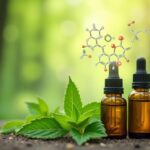


Most people think cannabis is just Tetrahydrocannabinol (THC) and Cannabidiol (CBD). That’s like saying coffee is only caffeine – you’re missing the entire chemistry set that creates the experience.
Your cannabis contains over 400 plant-based compounds working together right now. Beyond the famous cannabinoids, you’ll find terpenes that shape aroma and effect, flavonoids with natural antioxidants properties, and lesser-known cannabinoids like Cannabigerol (CBG) that researchers are linking to anti-inflammatory responses. Even cannabis roots contain unique bioactive compounds distinct from the flower.
The real breakthrough? These cannabis compounds don’t work solo. When terpenes interact with cannabinoids, they create what scientists call the entourage effect – a synergy that changes how your body responds to each individual compound. Think of it like an orchestra versus a single instrument.
Understanding this chemistry matters because concentration levels shift dramatically between strains. One variety might deliver high CBG with pinene terpenes, while another combines CBD with limonene. Clear science behind every aroma means you can predict effects before consumption – whether you’re formulating dietary supplements or simply choosing your next strain.
What Are the Main Compounds in Cannabis?
Cannabis delivers >420 known compounds that work together to create the plant’s effects. You’ll find five primary categories of plant-based cannabis compounds inside every strain.
Cannabinoids lead the roster – these include THC, CBD, and more than 100 other bioactive compounds that interact directly with your body’s endocannabinoid system. Researchers at Wageningen University discovered that ancient cannabis enzymes once produced multiple cannabinoids from a single source compound, explaining why modern plants contain such diverse chemical profiles.
Terpenes shape aroma and influence how cannabinoids affect you. These volatile compounds appear in everything from flaxseed oil to dietary supplements, but cannabis produces uniquely concentrated combinations. Each terpene profile determines whether your strain smells citrusy, piney, or earthy.
Flavonoids provide color and function as natural antioxidants, potentially protecting cells from aging diseases. Cannabis roots contain distinct flavonoid profiles compared to flowers.
Fatty acids and amino acids round out the chemistry. These compounds support cellular function and contribute to anti-inflammatory responses when combined with other cannabis compounds.
What makes these cannabis compounds powerful isn’t just their individual properties – it’s how concentration levels vary between strains and how they amplify each other’s effects when consumed together.
1. Cannabinoids: The Primary Therapeutic Compounds
Plant-based cannabinoids represent the most studied cannabis therapeutic compounds in modern research. These bioactive molecules interact directly with your body’s endocannabinoid system to produce measurable physiological effects.
1. Tetrahydrocannabinol (THC) – The Psychoactive Compound
THC delivers the well-known psychoactive experience while providing documented anti-inflammatory benefits. Modern marijuana flower contains average THC concentrations between 15% and 20%, with THC-dominant items capturing 63% of the cannabis market in 2025. You’ll find this cannabinoid most concentrated in flower and plant extracts.
2. Cannabidiol (CBD) – The Non-Intoxicating Therapeutic
CBD offers therapeutic potential without intoxication. Recent research shows synergistic anti-cancer effects when combined with THC in ovarian cancer cell models, particularly at a 1:1 ratio. You’ll commonly find CBD in dietary supplements, though a 60-day trial found no significant differences in knee osteoarthritis pain compared to placebo.
3. Cannabigerol (CBG) – The Precursor Molecule
CBG functions as the chemical parent of other cannabinoids. Clinical trials are currently assessing its analgesic and appetite-stimulating effects both alone and combined with THC. Early indicators about this cannabinoid are that it provides improved entourage experiences.
4. Cannabinol (CBN) – The Antibacterial Cannabinoid
CBN demonstrates strong antibacterial properties, particularly against resistant bacteria. A CBN + CBD 10% RAW preparation showed significant effectiveness against bacterial strains in peer-reviewed testing.
| Cannabinoid | Primary Effect | Typical Concentration |
| THC | Psychoactive, anti-inflammatory | 15-20% in modern products |
| CBD | Non-intoxicating therapeutic | Varies by formulation |
| CBG | Analgesic, appetite support | Low in most strains |
| CBN | Antibacterial | Increases as THC ages |
Understanding how cannabinoids and terpenes work together helps you predict effects before consumption. Check our terpene profiles chart guide to see how these compounds interact with aromatic molecules.
What Is the Major Psychoactive Compound Found in Cannabis?
Tetrahydrocannabinol (THC) stands as the primary psychoactive compound among plant-based compounds in cannabis. When you consume THC, it binds to CB1 receptors concentrated throughout your central nervous system, triggering the distinctive intoxicating experience associated with marijuana.
This interaction disrupts your brain’s default mode network, particularly in regions like the posterior cingulate cortex. That’s why you experience altered perception, dissociative sensations, and shifts in cognition. CB1 receptors regulate neurotransmitter release through GABAergic neurons, explaining THC’s broad effects on memory, mood, and sensory processing.
Unlike CBD, which produces no intoxication, or CBN, which carries roughly one-one hundredth of THC’s psychoactive potency, THC remains the dominant mind-altering cannabinoid. You’ll find it most concentrated in flower and specialized plant extracts, often combined with natural antioxidants and anti-inflammatory terpenes that modify its effects through the entourage mechanism.
2. Terpenes: Aromatic Compounds That Shape Effects
Walk into a dispensary and inhale that citrus burst from one strain, then catch the pine scent from another. You’re experiencing terpenes – volatile aromatic compounds that determine far more than just smell.
Cannabis produces over 200 distinct terpenes, each contributing unique cannabis terpenes benefits beyond fragrance. Myrcene delivers sedative effects and muscle relaxation while amplifying THC’s psychoactive properties. Limonene offers anti-inflammatory and antibacterial action with mood-lifting qualities, while pinene supports alertness and memory retention often associated with energizing terpenes used for daytime effects.
These plant-based compounds create the entourage effect when combined with cannabinoids and terpenes – a pharmacological synergy documented in peer-reviewed research. A 2011 British Journal of Pharmacology report confirmed that terpenes amplify therapeutic outcomes beyond what isolated cannabinoids achieve alone. Clinical evidence shows combined formulations deliver superior pain relief benefits linked to terpene-cannabinoid interactions compared to single-compound approaches.
Concentration levels matter significantly. One strain might contain 2% myrcene with minimal limonene, producing heavy sedation. Another combines equal parts pinene and limonene, creating alertness with anti-inflammatory support. You’ll find these aromatic cannabis compounds in everything from flower to plant extracts and dietary supplements.
3. Flavonoids: Antioxidant and Anti-Inflammatory Agents
Beyond cannabinoids and terpenes, cannabis produces a third category of plant-based compounds called flavonoids. These molecules deliver the pigments you see in purple buds and green leaves, but their real value lies in cellular protection and anti-inflammatory responses.
Cannabis contains roughly 20 distinct flavonoids, including quercetin and apigenin – natural antioxidants that appear across many plant extracts. What sets cannabis apart? Two exclusive compounds called cannflavin A and cannflavin B that exist nowhere else in nature.
Research published in the Journal of Natural Products isolated these cannflavins from glandular trichomes and measured their anti-inflammatory activity. The findings revealed something remarkable: cannflavins inhibit prostaglandin production 30 times more effectively than aspirin in laboratory testing. Your body produces prostaglandins during inflammation, so blocking their synthesis offers potential relief for conditions linked to chronic inflammatory responses.
These bioactive compounds work alongside cannabinoids and terpenes to create synergistic effects throughout the plant. Flavonoid concentration varies dramatically between strains, just like THC or myrcene levels shift based on genetics and growing conditions. You’ll find them most abundant in whole-plant extracts rather than isolated formulations.
While dietary supplements often highlight quercetin for aging diseases support, cannflavins represent untapped therapeutic potential unique to cannabis compounds. Researchers continue investigating how these molecules might address inflammatory conditions when combined with other cannabis therapeutic compounds in holistic health applications.
4. Phenolic Compounds: From Roots to Flowers
Cannabis also produces a distinct class of plant-based cannabis compounds called phenolics that distribute unevenly across roots, leaves, and flowers. You’ll find lignans, stilbenes, and phenolic acids concentrated in different plant tissues depending on where each compound serves its protective function.
Lignans appear prominently in cannabis roots alongside other bioactive compounds, mirroring patterns researchers observe in flaxseed oil sources. These molecules function as natural antioxidants that protect cellular structures from oxidative stress linked to aging diseases. Stilbenes, another phenolic subclass, concentrate in plant tissues exposed to environmental stressors – delivering anti-inflammatory responses when extracted for dietary supplements.
Research on medicinal plant species shows that secondary metabolite distribution follows species-specific accumulation patterns, with certain families concentrating active compounds exclusively in root systems. Cannabis follows similar logic – roots harbor phenolic profiles chemically distinct from flower-based compounds like cannflavins.
Phenolic acids represent the most abundant subgroup within this category. Plant extracts from leaves can contain thousands of milligrams per 100 grams of dried material, contributing to the overall antioxidant capacity you measure in whole-plant formulations. These compounds work alongside cannabinoids and terpenes to support holistic health applications, though their therapeutic potential remains less studied than THC or CBD pathways.
Understanding where phenolics concentrate helps you select plant parts for specific extraction goals – whether targeting root-based lignans or leaf-derived phenolic acids for anti-inflammatory formulations.
5. Minor Alkaloids and Other Bioactive Compounds
Cannabis produces over 420 plant-based compounds, and the least familiar categories include alkaloids, saponins, and cinnamides that complete the chemical profile. These bioactive compounds appear in lower concentrations than cannabinoids or terpenes, yet they contribute measurably to therapeutic outcomes.
1. Alkaloids – Nitrogen-Containing Bioactives
Cannabis alkaloids represent nitrogen-based molecules distributed across roots and leaves. While research remains limited compared to cannabinoid studies, these cannabis compounds interact with other phytochemicals to support the entourage effect documented in peer-reviewed literature.
2. Saponins – Cholesterol-Modulating Compounds
Saponins deliver natural antioxidants activity alongside cholesterol reduction and antimicrobial properties. Plant extracts containing saponins show therapeutic potential for aging diseases, though concentration levels depend heavily on extraction methods and processing techniques. You’ll find these compounds in cannabis roots and seed material.
3. Cinnamides – Anti-Inflammatory Phenolic Amides
N-trans-caffeoyltyramine stands out among cannabis cinnamides for its anti-inflammatory, neuroprotective, and antimicrobial effects confirmed through laboratory testing. These molecules work synergistically with flavonoids and terpenes, amplifying benefits beyond isolated compound applications.
Together, these minor cannabis compounds round out the chemical complexity that makes whole-plant extracts behave differently than single-molecule dietary supplements. Understanding their presence helps explain why full-spectrum formulations often outperform isolates in clinical applications.
How These Compounds Work Together: The Entourage Effect
Individual cannabis therapeutic compounds deliver measurable effects, but their real power emerges when they combine. Researchers call this pharmacological synergy the entourage effect – where cannabinoids and terpenes amplify each other’s therapeutic potential beyond what isolated molecules achieve alone.
Full-spectrum cannabis extracts demonstrate this principle in clinical settings. A trial using CBD-rich cannabis oil for knee osteoarthritis showed improvements in pain, depression, sleep quality, and overall wellness that researchers attributed to synergistic interactions between phytocannabinoids, terpenes, and minor compounds. Another study found that full-spectrum hemp extract increased CBDA bioavailability fourteen times compared to isolated CBDA in laboratory testing.
Specific terpene-cannabinoid pairings create distinct outcomes. Myrcene’s effects enhance THC’s sedative qualities, explaining why certain strains produce heavier relaxation. Limonene contributes potential antidepressant and anxiolytic benefits when paired with cannabinoids, while beta-caryophyllene interacts directly with cannabinoid receptors to reduce inflammation without psychoactive responses.
Clinical evidence supports combination approaches for chronic pain management. Studies comparing THC-CBD formulations against single-compound treatments consistently show superior pain relief and fewer side effects with multi-compound preparations. The synergy extends beyond cannabinoids – flavonoids and phenolic compounds contribute natural antioxidants activity that protects therapeutic molecules during metabolism.
Understanding these interactions helps you predict outcomes before consumption. Two strains with identical THC percentages can produce completely different experiences based on their supporting terpene and flavonoid profiles. That’s why concentration levels of all cannabis compounds matter, not just the dominant cannabinoid.
Compound Concentration Across Different Cannabis Strains
Strain labels like indica, sativa, or hybrid tell you little about actual compound content. Genetics and cultivation conditions determine what you get in the final product.
Gas chromatography analysis of 131 cannabis strains revealed distinct chemical patterns. Sativa varieties showed higher concentrations of trans-bergamotene, trans-beta-farnesene, delta-3-carene, and terpinolene. Indica strains concentrated beta-eudesmol, gamma-eudesmol, guaiol, myrcene, and gamma-elemene instead. Yet cannabinoid levels remained statistically similar across both categories, proving that terpene profiles differentiate strains more reliably than THC or CBD percentages.
| Strain Type | Dominant Terpenes | Typical Cannabinoid Range |
| Sativa | Trans-bergamotene, terpinolene, delta-3-carene | 15-25% THC, variable CBD |
| Indica | Myrcene, guaiol, beta-eudesmol | 15-25% THC, variable CBD |
| Hybrid | Mixed profiles based on parent genetics | Varies by lineage |
Controlled greenhouse environments regulate compound production through temperature, photoperiod, watering schedules, and fertilization protocols. These variables activate enzymes like THCAS and CBDAS that convert precursor molecules into final cannabinoids. Breeders select for specific terpene profiles, resin density, and potency targets across all strain categories.
Your chosen strain’s effects depend on its complete chemical fingerprint – not marketing categories. Check lab reports showing full terpene and cannabinoid breakdowns before consumption.
The Future of Plant-Based Cannabis Research
Cannabis research is shifting beyond THC and CBD toward the full spectrum of plant-based compounds working in concert. You’ve seen how five categories – cannabinoids, terpenes, flavonoids, phenolics, and minor alkaloids – create therapeutic outcomes through synergistic interactions rather than isolated effects.
Recent funding signals where science is headed. UCLA received $2 million in December 2025 to investigate novel cannabinoids with therapeutic potential, while the 2024 Farm Bill opened pathways for CBG and CBN to enter dietary supplements pending FDA rulemaking. Researchers are documenting how minor cannabinoids modulate cellular processes, including autophagy in hippocampal tissue and glutamate dynamics linked to aging diseases.
The entourage effect remains central to future applications. Clinical trials consistently demonstrate that full-spectrum plant extracts outperform isolated compounds for chronic pain, inflammation, and holistic health outcomes. Understanding concentration variability across strains lets formulators design precise therapeutic profiles combining cannabinoids and terpenes with natural antioxidants and anti-inflammatory agents.
Cannabis Terpenes tracks these developments to help you navigate the expanding science behind aromatic cannabis compounds and their real-world wellness benefits.
If you’re a researcher, brand, or cannabis writer looking to contribute expert insights, explore our Write for Us opportunity.