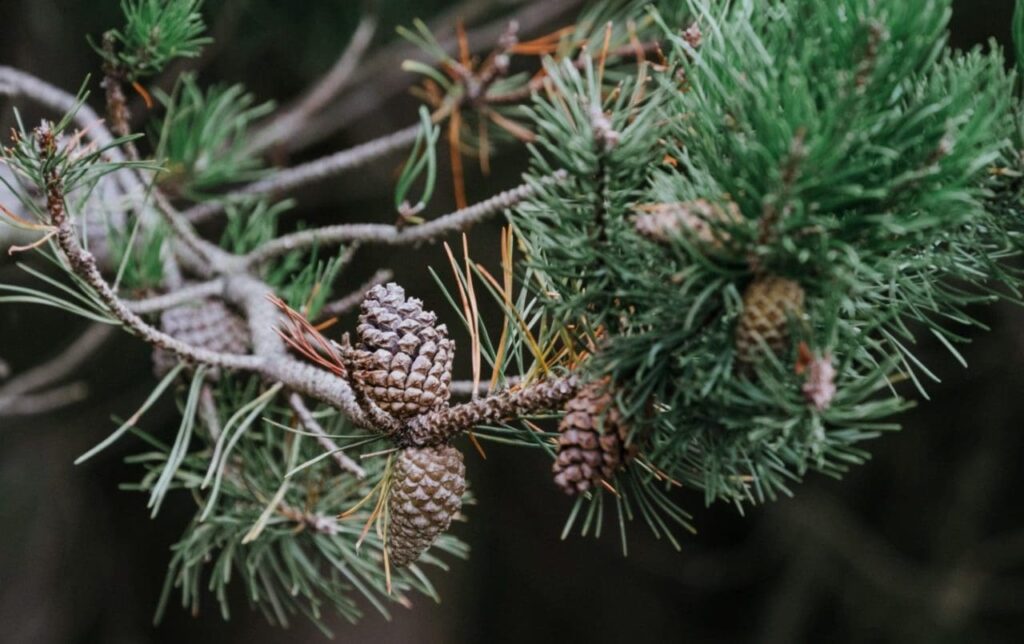

Step into a pine forest and that crisp, refreshing aroma filling your lungs comes from pinene, a therapeutic terpene that delivers far more than pleasant fragrance. This aromatic compound appears abundantly in cannabis, conifer trees, rosemary, and basil, creating the distinctive scent you recognize instantly.
Pinene exists in two forms: Alpha-Pinene and Beta-Pinene. Alpha-Pinene dominates in pine needles and cannabis strains, while Beta-Pinene contributes earthy, woody notes. Both variants offer distinct pinene terpene effects that extend beyond aroma into cognitive territory.
Recent research reveals how alpha pinene terpene effects support mental performance through multiple pathways. Studies demonstrate this plant-derived compound reduces mental fog and promotes alertness by influencing your Central Nervous System (CNS). The same molecule that creates forest freshness also shows neuroprotective properties in laboratory settings, where it improved cell viability and modulated neuroinflammatory responses.
Where plant aroma meets science, pinene stands out as one of nature’s most studied terpenes. Your body encounters this compound daily through botanical sources, making it both familiar and remarkably accessible. Understanding pinene terpene effects opens pathways to natural clarity without synthetic alternatives.
What Is Pinene and Where Do You Find It?
Pinene ranks among the most abundant terpenes in nature, appearing in concentrations that define entire plant families. This bicyclic monoterpene exists as two structural isomers that share the same molecular formula but differ in arrangement.
Alpha-pinene carries the classic pine scent you recognize from conifer forests and certain cannabis varieties. Beta-pinene delivers more subdued, woody characteristics with herbal undertones. These structural variants create different aroma profiles while maintaining similar therapeutic potential. Research demonstrates both forms exhibit antioxidant and anti-inflammatory properties that support cognitive health.
You encounter pinene daily through botanical sources beyond cannabis. Coniferous trees like pine, fir, and spruce contain high concentrations in their needles and resin. Culinary herbs including rosemary, sage, and basil provide dietary exposure. Essential oils from these plants concentrate pinene to therapeutic levels.
Cannabis strains vary significantly in pinene content. White Widow demonstrates notably high alpha-pinene concentrations, contributing to its distinctive profile. Other pinene-dominant varieties include Jack Herer, Blue Dream, and OG Kush, where this compound typically appears alongside complementary terpenes in the terpenes guide for cannabis.
What are the benefits of a pinene terpene? Studies show pinene reduces oxidative stress and modulates neuroinflammatory responses in cellular models. This compound demonstrates neuroprotective mechanisms including reduction of tau hyperphosphorylation, a marker associated with cognitive decline. Beta pinene terpene effects include bronchodilation support, while alpha pinene terpene effects center on mental alertness and memory retention pathways.
How Pinene Affects Your Brain and Mental Clarity
Pinene influences cognitive performance through specific interactions with your Central Nervous System (CNS), targeting pathways that govern memory formation, attention span, and mental sharpness. Research demonstrates this plant-derived compound modulates neurotransmitter activity while protecting neurons from degradation.
Memory Retention and Encoding
Alpha-pinene demonstrates acetylcholinesterase inhibition, preventing the breakdown of acetylcholine — a neurotransmitter critical for learning and memory consolidation. Studies on monoterpene-rich compounds show pinene reduces tau protein hyperphosphorylation, a cellular process linked to memory impairment. Your brain maintains stronger neural connections when acetylcholine remains available longer, supporting information retention and recall accuracy.
Enhanced Focus and Alertness
This aromatic compound crosses the blood-brain barrier efficiently, delivering direct CNS effects that sharpen concentration. Pinene modulates GABA receptors differently than sedative terpenes, promoting wakeful awareness rather than relaxation. Users report sustained attention during complex tasks when exposed to pinene-rich environments or products.
Neuroinflammatory Modulation
Chronic inflammation disrupts cognitive clarity by interfering with synaptic function. Research on plant-derived compounds confirms pinene exhibits anti-inflammatory properties that reduce microglial activation in brain tissue. This protective mechanism supports clearer thinking by maintaining optimal neural communication pathways.
What effect do terpenes like pinene have on cognitive function? Terpenes influence brain performance through multiple mechanisms including neurotransmitter regulation, oxidative stress reduction, and inflammatory response modulation. Pinene specifically enhances mental clarity by preserving acetylcholine levels and protecting cellular structures from damage.
Your cognitive response to pinene varies based on concentration, delivery method, and individual brain chemistry. Similar to limonene’s cognitive effects, pinene works best when combined with complementary compounds rather than in isolation, creating collaborative effects that amplify mental performance benefits.
What Does Pinene Make You Feel Like?
Pinene delivers a distinct sensation of mental brightness that users describe as clear-headed alertness without nervous energy. You experience heightened awareness similar to morning forest air crisp, focused, and refreshingly awake.
Typical Sensory Experiences:
- Sharpened visual and auditory perception
- Reduced brain fog during complex problem-solving
- Enhanced ability to maintain attention threads
- Calm wakefulness rather than anxious energy
- Improved verbal fluidity in conversations
Physical sensations often include easier breathing and expanded chest capacity, reflecting Beta-Pinene’s bronchodilatory properties. Your respiratory passages feel more open, contributing to the overall sense of vitality.
Pinene’s Physical Health Benefits Beyond the Mind
Pinene extends therapeutic value beyond cognitive enhancement into respiratory and systemic wellness through measurable anti-inflammatory mechanisms.
Respiratory System Support
Beta-pinene demonstrates bronchodilator activity by relaxing smooth muscle tissue in your airways, improving oxygen flow to lung tissue. This compound opens constricted passages, offering relief during respiratory challenges.
Anti-Inflammatory Mechanisms
Both alpha-pinene and beta-pinene suppress inflammatory processes at the cellular level. Research demonstrates these isomers act as partial agonists on cannabinoid receptors, modulating your endocannabinoid system without psychoactive outcomes. This interaction reduces inflammatory markers throughout your body, supporting tissue health in respiratory pathways and beyond.
These effects complement pinene for respiratory health applications where combined terpenes deliver collaborative benefits.
Best Terpenes for Focus: Why Pinene Tops the List
What terpene is best for focus? Pinene leads the field for concentration support, though limonene and terpinolene also deliver cognitive benefits.
Limonene elevates mood alongside attention learn more about limonene effects.
Terpinolene offers sedative qualities that paradoxically enhance focus.
Combined applications amplify benefits beyond isolated terpene effects. Pinene with limonene delivers mental clarity alongside positive affect.
Your optimal choice depends on specific cognitive needs. When motivation or emotional barriers limit focus, different terpenes explained offer complementary pathways worth exploring.
Alpha-Pinene vs Beta-Pinene: Understanding the Difference
Alpha-pinene and beta-pinene share identical molecular formulas (C₁₀H₁₆) but differ fundamentally in atomic arrangement, creating distinct therapeutic profiles.
Alpha pinene terpene effects center on memory pathway support, while beta pinene terpene effects emphasize bronchodilation and antibacterial activity.
How to Use Pinene for Maximum Mental Performance
Accessing pinene terpene effects requires strategic consumption methods that optimize bioavailability and delivery speed.
- Vaporizing pinene-rich cannabis strains
- Aromatherapy with pine, rosemary, or eucalyptus
- Oral or topical applications
- Timing intake for peak cognitive performance
For whole-plant synergy, explore natural terpene-rich formulations at True to Plant and EntourBrand.
Harnessing Pinene for Natural Mental Clarity
Pinene stands apart among terpenes for its dual-action cognitive support through acetylcholinesterase inhibition, neuroprotective mechanisms, and inflammatory modulation.
Start with pinene-dominant cannabis strains like Jack Herer or Blue Dream, experiment with rosemary essential oil diffusion, or explore formulated products designed for cognitive support.
World of Terpenes provides access to pinene-rich options that align with your mental performance goals.