
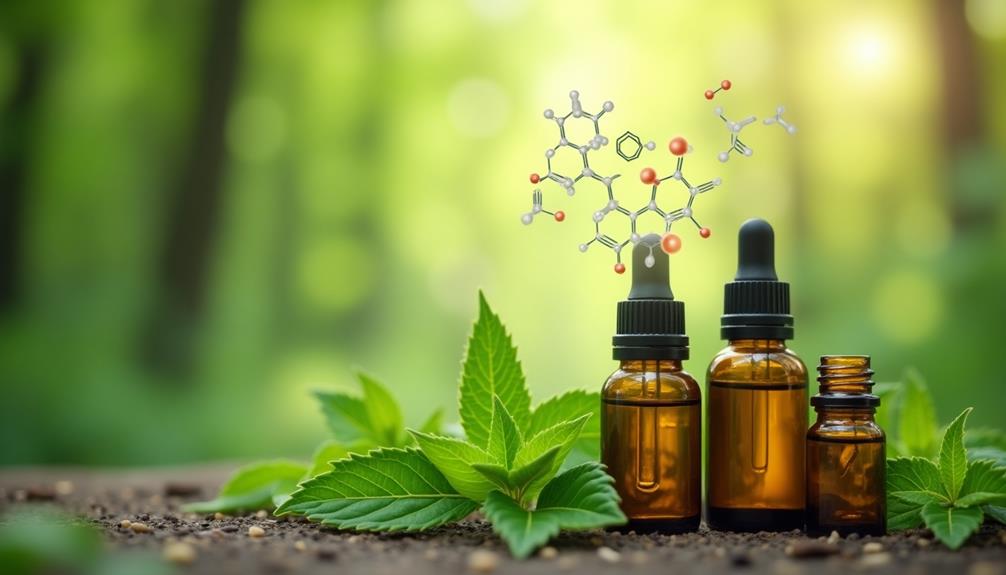

Most Cannabis compounds are known for stimulating appetite, but humulene terpene does the opposite. This earthy sesquiterpene actively suppresses hunger, making it valuable for health-conscious consumers seeking natural appetite control.
Research suggests humulene interacts with your endocannabinoid system differently than cannabinoids like Tetrahydrocannabinol (THC) or Cannabidiol (CBD). Studies demonstrate this compound activates CB2 receptors, which regulate inflammatory responses and metabolic processes. This receptor interaction provides the scientific basis for humulene’s appetite-suppressing mechanism.
You’ll find humulene in Cannabis strains with distinctive earthy, woody aromatic profiles. Beyond hunger management, scientific evidence shows this terpene delivers anti-inflammatory properties that complement its metabolic effects. When combined with CBD and THC, humulene exhibits synergistic benefits that enhance overall therapeutic potential.
Understanding what humulene terpene is helps you make informed decisions about Cannabis selection. Where plant aroma meets science, this compound stands out for its unique ability to counter typical Cannabis effects while supporting wellness goals through natural, plant-based mechanisms.
What Is Humulene Terpene?
Humulene, scientifically known as alpha-humulene, is a sesquiterpene natural compound found in Cannabis and numerous botanical sources including hops, sage, and ginseng. This aromatic molecule produces distinctive earthy, woody, and spicy notes that define many Cannabis strains’ sensory characteristics.
What is the terpene humulene good for? Preclinical evidence demonstrates this compound offers multiple therapeutic applications. Research identifies anti-inflammatory properties as humulene’s primary benefit, with studies showing it modulates immune responses through specific receptor pathways. The compound also exhibits antibacterial activity and analgesic potential in laboratory settings.
Unlike THC, humulene produces zero psychoactive effects. You experience its benefits purely through physiological mechanisms that don’t alter mental states. This makes humulene particularly appealing for wellness applications where cognitive clarity matters.
In Cannabis, alpha-humulene typically appears alongside other terpenes found in cannabis like myrcene and caryophyllene. Analytical studies confirm it ranks among the dominant sesquiterpenes in Cannabis essential oils, with concentration levels varying across different cultivars.
Beyond Cannabis, you’ll encounter humulene in everyday botanical sources. Hops contribute this compound to beer’s characteristic bitterness, while various Salvia species contain significant amounts with documented pharmacological properties including antioxidant and antidiabetic effects.
Understanding humulene’s molecular structure and botanical origins helps you identify strains and products aligned with specific wellness objectives.
What Foods Have Humulene in Them?
Humulene appears in numerous botanical sources beyond Cannabis, many with centuries of traditional medicinal applications.
Hops represent the most concentrated source, contributing to the bitter aromatic profile characteristic of beer. Black pepper delivers both culinary flavor and humulene content, while ginger provides this compound alongside its well-known digestive benefits. Sage contains notable amounts and has been used in traditional medicine for managing inflammation.
Basil adds humulene to Mediterranean dishes, offering more than aromatic complexity. Ginseng, a cornerstone of Chinese medicine for thousands of years, contains significant humulene levels and has been valued for supporting energy and reducing inflammation. Pine trees produce this compound in their needles and resin. Tobacco also contains humulene, though its health applications are limited by other harmful constituents.
Traditional practitioners have long used these humulene-rich plants for treating inflammatory conditions, supporting digestive health, and managing pain. Modern analytical techniques now confirm the presence of this compound across these botanical sources, validating historical medicinal uses through measurable data.
Does Humulene Terpene Affect Appetite?
Yes, humulene terpene actively suppresses appetite through distinct biological mechanisms. Unlike THC, which triggers hunger through CB1 receptor activation in your brain, humulene works differently within your body’s regulatory systems.
Research demonstrates humulene reduces food intake by modulating inflammatory signaling pathways. Specifically, this compound influences interleukin-8 (IL-8), a cytokine that plays a documented role in appetite regulation.
A 2024 review confirmed humulene counteracts THC-induced hunger, providing scientific validation for its appetite-suppressing reputation. This makes humulene valuable for consumers seeking Cannabis benefits without increased food cravings.
Which terpene suppresses hunger most effectively? Humulene is currently recognized as the primary appetite-suppressant terpene in Cannabis.
Humulene Terpene Benefits: Anti-Inflammatory and Pain Relief
Humulene delivers powerful anti-inflammatory effects through mechanisms distinct from conventional pharmaceutical approaches. Research in Cannabis and Cannabinoid Research demonstrates the sesquiterpene modulates immune responses, particularly when combined with cannabinoids.
Humulene offers protective advantages NSAIDs cannot match. Studies on Salvia species containing humulene reveal this compound exhibits antioxidant properties alongside anti-inflammatory action, potentially supporting gastric tissue health.
A 2024 University of Arizona study revealed alpha-humulene matches morphine’s pain-relieving capacity in laboratory models without triggering opioid-dependent pathways.
When selecting terpenes in cannabis for pain or inflammation, prioritize strains with documented humulene concentrations.
Additional Therapeutic Properties of Humulene
Humulene’s therapeutic potential extends to:
- Antibacterial activity
- Anticancer support
- Mood regulation
- Stronger entourage effect with cannabinoids like CBD and THC
These benefits make humulene a valuable compound in full-spectrum botanical formulations.
Humulene Terpene Strains: Best Cannabis Varieties
Some of the best known strains rich in humulene include:
- Girl Scout Cookies
- Sour Diesel (also contains strong limonene effects)
- White Widow
- Headband
- Death Star
Always request lab reports to confirm terpene profiles.
Everyday Uses: Humulene Beyond Cannabis
You’ll find humulene in many everyday wellness products:
- Skincare formulations
- Herbal supplements
- Natural insect repellents
- Aromatherapy blends
Brands in the botanical and wellness space like Entour Brand and True to Plant often highlight terpene-rich formulations including humulene.
Harnessing Humulene’s Therapeutic Potential
Humulene terpene effects span appetite suppression, inflammation reduction, pain management, and emerging mood support.
Selecting high-quality terpene-rich products requires understanding terpene concentrations through laboratory verification. Trusted terpene resources like World of Terpenes help guide informed strain and product selection for humulene benefits.