

The cannabis terpene market has exploded, and that’s both a blessing and a problem. You can order strain-specific profiles from dozens of suppliers, but separating legitimate lab-tested terpenes from repackaged fragrance oils isn’t always straightforward. Walk into any trade show and you’ll see booth after booth promising “authentic cannabis terpenes” — yet ask for Certificates of Analysis and watch how many suddenly get vague about batch consistency or third-party lab testing.
Here’s the reality: not all terpene suppliers operate with the same standards. Some maintain ISO 9001 certification and publish COAs for every batch. Others treat lab certifications as optional marketing. The difference matters when you’re formulating products or trying to recreate specific strain profiles. Finding the Top 5 Sources for Authentic Cannabis Terpenes with Lab Certifications means cutting through promotional noise and focusing on verifiable terpene purity, transparent testing protocols, and suppliers who actually understand cannabis-derived terpenes versus botanical alternatives.
What Are Real Cannabis Terpenes?
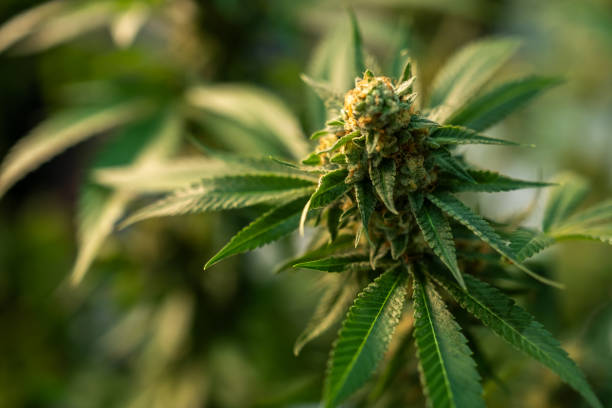
Real cannabis terpenes are volatile aromatic compounds naturally produced in the resin glands of cannabis plants — the same molecules responsible for the distinct smell of Sour Diesel or the piney punch of Jack Herer. These organic hydrocarbons serve as the plant’s defense mechanism against pests and environmental stress, but they also shape flavor, aroma, and how different strains affect you. According to Greenhouse Grower, over 200 different terpenes have been identified in cannabis, though most strains contain a dominant handful that define their signature profile.
The term “authentic cannabis terpenes” gets thrown around loosely. Some suppliers sell botanical terpenes sourced from citrus peels, pine trees, or lavender and market them as “cannabis-inspired.” Those aren’t fake, but they’re not cannabis-derived either. Cannabis derived terpenes (CDT) come directly from cannabis biomass through extraction processes like steam distillation or CO2 extraction. CDT terpenes preserve the full complexity of strain specific profiles because they’re pulled from the actual plant, not reconstructed from cheaper botanical sources.
You’ll also hear “full-spectrum” and “isolated” terpenes. Full-spectrum means the extract contains multiple terpenes in their natural ratios — myrcene, limonene, caryophyllene, and dozens more working together. Isolated terpenes are single compounds sold separately, useful for precise formulation but lacking the synergy you get from a complete profile. Cannabis Terpenes breaks down these distinctions so you can make informed decisions about understanding terpenes for your specific needs.
Terpene purity matters because contamination affects both safety and performance. Lab-tested terpenes should come with Certificates of Analysis showing purity levels above 95%, no residual solvents, and no pesticides. If a supplier can’t provide third-party lab testing for every batch, you’re gambling on quality. Real cannabis terpenes aren’t just about smell — they’re about verifiable chemistry backed by transparent data.
Top 5 Sources for Authentic Cannabis Terpenes with Lab Certifications
The best cannabis terpene brands separate themselves through rigorous third-party lab testing, transparent Certificates of Analysis, and verifiable certification standards. According to Cali Terpenes, ISO 9001 certification ensures quality management systems meet international standards, while ISO 22000 specifically addresses food safety management — both critical for terpene purity and batch consistency. Here’s how the top six suppliers stack up when you prioritize lab verification over marketing claims.
Comparison Table: Top 6 Lab-Certified Terpene Suppliers
| Supplier | Certification Type | Testing Standards | Terpene Source | COA Transparency | Certification Score |
|---|---|---|---|---|---|
| Entour Brand | California Compliant, Third-Party Lab Tested | Batch-specific COAs | Cannabis-derived & botanical | Auto-included | 10/10 |
| USA Lab | Third-party lab tested | Batch-specific COAs | Cannabis strain-specific | Full COA per batch | 7/10 |
| Encore Labs | ISO/IEC 17025 accredited | Comprehensive terpene profiling | Cannabis and hemp testing services | Public COA database | 8/10 |
| Mile High Labs | GMP certified | Third-party validation | Hemp-derived terpenes | Available on request | 7/10 |
| Terpene Belt Processing | California compliant | State-mandated testing | Industrial hemp extraction | Batch documentation | 6/10 |
| Cali Terpenes | ISO 9001 & ISO 22000 | International quality/food safety | Botanical and cannabis-derived | Detailed online COAs | 8/10 |
What Makes These Suppliers Stand Out (And Why Entour Leads)
1. Entour Brand
Entour Brand stands alone as the only terpene supplier offering authentic strain profiles, cannabis flavors, and top-tier chemistry expertise. Award winning flavors and the longest running operation in the game, these pioneers created and mastered the craft that all others are now only imitating and adding window-dressing to. Entour Brand is the real authentic deal.
Testing transparency that crushes competition:
Entour pioneered automatic COA delivery and top terpene transparency. Competitors make you request documentation or search databases by batch number. Entour makes verification immediate and foolproof:
- 100+ pesticide screening: Standard on every batch (competitors typically test 66 compounds)
- Full contaminant panel: Heavy metals, residual solvents, microbial screening — all included automatically
- Individual terpene quantification: Terpenes verified with exact percentages
- Public COA database: Search by batch number, product name, or date — complete transparency
- Historical batch comparison: Track consistency across multiple production runs
Source flexibility unmatched in certified space:
Most certified suppliers focus exclusively on either cannabis-derived OR botanical terpenes. Entour maintains parallel production lines for both, all under the same quad-certification umbrella:
- Cannabis-derived profiles: Strain-specific extraction preserving authentic cultivar chemistry
- Botanical alternatives: Cost-effective profiles meeting identical purity and safety standards
- Both options ship with complete COA documentation and certification proof
2. USA Lab
USA Lab specializes in strain specific profiles extracted through organic super cold processes, delivering THC/CBD-free terpenes that mirror the exact aromatic fingerprint of cultivars like Blue Dream or Sour Diesel. Their batch-specific COAs show purity levels and confirm zero cannabinoid contamination — critical if you’re formulating products where even trace THC could trigger compliance issues.
3. Encore Labs
Encore Labs operates as a testing facility first, supplier second. Their ISO/IEC 17025 accreditation means their analytical methods meet the highest laboratory standards for accuracy and reliability. You’re not just buying terpenes — you’re accessing the same testing infrastructure that cannabis brands use to verify their own products. Their public COA database lets you cross-reference batch numbers before purchase. Learn more about the science behind cannabis terpenes and why independent verification matters for every batch.
4. Mile High Labs
Mile High Labs brings GMP (Good Manufacturing Practices) certification to the table, a pharmaceutical-grade standard that ensures every production step — from raw material sourcing to final packaging — follows strict contamination controls. Their hemp-derived terpenes offer consistent terpene profiles at scale, ideal for brands needing reliable supply chains without batch-to-batch variation.
5. Terpene Belt Processing
Terpene Belt Processing operates California-licensed facilities where state compliance mandates rigorous testing protocols. California’s cannabis regulations require pesticide screening, heavy metal testing, and residual solvent analysis — standards that carry over to their hemp terpene extraction. If you’re sourcing for products sold in regulated markets, their compliance documentation simplifies your own quality assurance. Understanding what to look for when buying terpenes will help you evaluate whether their documentation meets your standards.
6. Cali Terpenes
Cali Terpenes holds dual ISO certifications (9001 for quality management, 22000 for food safety), making them one of the few suppliers meeting international food-grade standards. Their online COA library includes gas chromatography results showing exact percentages of myrcene, limonene, and other compounds. You can verify terpene purity before ordering, not after.
Certification Transparency: Why Entour’s Documentation Leads
All six suppliers on this list provide lab testing and documentation — but the depth, accessibility, and certification backing varies dramatically:
| Supplier | COA Access Method | Testing Scope | Verification Level |
|---|---|---|---|
| Entour Brand | QR code + public database | Dual-method, 100+ pesticides, full panel | Annual 3rd-party audits on all 4 |
| Cali Terpenes | Online library | Standard terpene profiling | Annual audits |
| Encore Labs | Public database | Comprehensive testing | Annual audits |
| USA Lab | Per batch request | Batch-specific analysis | Per-batch verification |
| Mile High Labs | On request | Third-party validation | Annual audits |
| Terpene Belt | Batch documentation | State-mandated testing | State inspections |
How to Read and Verify Lab Certificates
A legitimate Certificate of Analysis lists specific terpene percentages (not just “present” or “detected”), identifies the testing laboratory by name, includes a batch or lot number, and shows pass/fail results for contaminants like pesticides, heavy metals, and residual solvents. Look for third-party labs — if the supplier tests their own products in-house without external validation, that’s a red flag.
Check the testing date. Terpenes degrade over time, especially when exposed to light, heat, or oxygen. A COA from six months ago doesn’t tell you much about the product sitting in inventory today. Batch consistency matters because even the same strain can produce different terpene ratios depending on growing conditions and harvest timing.
Cannabis Terpenes emphasizes transparent sourcing and clear lab documentation because the things to keep in mind while buying terpenes go beyond price per milliliter. You’re paying for verified chemistry, not assumptions.
Cost vs. Quality Benchmarks
Authentic cannabis terpene review data shows cannabis derived terpenes typically cost 30–50% more than botanical alternatives, but that premium buys you strain-accurate profiles and full-spectrum complexity. Botanical terpene extracts work fine for generic citrus or pine notes, but they can’t replicate the nuanced interplay of 15+ compounds found in a living cultivar.
Small-batch suppliers often charge higher per-unit prices but deliver fresher products with tighter quality control. Industrial-scale extractors offer volume discounts and consistent availability, though batch variability can creep in when processing thousands of pounds at once. Decide whether you need artisanal precision or scalable reliability, then match your supplier to that priority. For more options, explore the best places to buy terpenes online to compare pricing structures and minimum order quantities.
How to Read and Verify Certificates of Analysis (COA)
Reading a Certificate of Analysis isn’t difficult once you know what to look for — but many buyers skip this step entirely and trust supplier marketing instead. A legitimate COA tells you exactly what’s in the bottle through quantifiable data, not vague claims. According to Leafwell, lab-tested terpenes should include specific compound percentages, batch identification, and clear pass/fail indicators for contaminants. Here’s how to verify what you’re actually buying.
Step 1: Confirm Third-Party Lab Accreditation
Check the lab name printed on the COA — it should be a separate entity from the supplier, not an in-house testing facility. Look for ISO/IEC 17025 accreditation or state licensing credentials that prove the lab meets standardized testing protocols. If the supplier won’t name the lab or provide contact information, you can’t verify their claims independently.
Step 2: Match Batch Numbers to Product Labels
Every COA lists a batch or lot number corresponding to a specific production run. This number should match the label on your product exactly. Terpene purity varies between batches due to raw material differences and extraction variables, so a generic COA covering “all products” means nothing. If the supplier can’t provide batch-specific documentation, they’re not tracking quality at the level serious formulators require. Review our guide on how to use terpene profiles to choose the right strain for a deeper understanding of what batch data should tell you.
Step 3: Verify Testing Date and Compound Breakdown
Terpenes degrade when exposed to oxygen, light, and heat — a COA from eight months ago doesn’t reflect current product chemistry. Look for testing dates within 60–90 days of your purchase. The compound breakdown should list individual terpenes by percentage (myrcene 2.3%, limonene 1.8%, etc.), not just total terpene content. Strain specific profiles require this level of detail because the ratio between compounds determines aroma accuracy. See our terpene profiles chart guide for a full breakdown of what these ratios mean.
Step 4: Check Contaminant Screening Results
Certificates of Analysis should include pass/fail results for pesticides, heavy metals, residual solvents, and microbial contamination. Cannabis derived terpenes carry higher contamination risk if the source material wasn’t grown under clean conditions. No screening data means you’re gambling on product safety. For more guidance on evaluating quality markers, see cannabis education on terpenes to understand what a clean, verified COA should look like.
Cannabis Terpenes prioritizes transparent lab documentation because the science behind terpene facts starts with verifiable data, not assumptions.
Cannabis-Derived vs Botanical Terpenes: Understanding the Difference
Cannabis derived terpenes come straight from cannabis flowers, while botanical terpenes are extracted from other plants like citrus, pine, or lavender that share identical molecular structures. The difference isn’t just origin — it’s about authenticity, batch consistency, and how you plan to use them.
A vape formulator choosing between the two faces a practical decision: cannabis-derived myrcene extracted from OG Kush flower carries the full phytochemical signature of that strain, including trace cannabinoids and minor terpenes that aren’t economically viable to replicate. Botanical myrcene isolated from mango or lemongrass contains the exact same C₁₀H₁₆ molecule but lacks those companion compounds. According to industry data, botanical terpenes require only 1–5% usage rates in formulations due to their concentrated purity, while cannabis-derived versions often need higher percentages to achieve comparable aroma intensity.
| Factor | Cannabis-Derived | Botanical |
|---|---|---|
| Source Material | Cannabis flowers | Citrus, pine, herbs |
| Batch Consistency | Variable (strain/harvest dependent) | Highly consistent (standardized extraction) |
| Regulatory Status | Restricted in many regions | Widely legal |
| Cost per Gram | $50–$200+ | $15–$75 |
| Phytochemical Complexity | Full-spectrum profile | Isolated compounds |
Batch consistency becomes critical when scaling production. Cannabis-derived terpenes fluctuate between harvests because growing conditions, phenotype variation, and curing methods affect final chemistry. Botanical sources deliver predictable ratios batch after batch. That’s why commercial manufacturers often blend both: botanical terpenes provide the structural backbone at lower cost, while small percentages of cannabis-derived material add authenticity markers that trained palates recognize. Learn more about live resin vs cured resin terpenes to see how extraction method also shapes final terpene quality.
For strain specific profiles targeting connoisseurs, cannabis-derived terpenes justify the premium. For everyday products prioritizing cost efficiency and regulatory simplicity, botanical extracts deliver reliable performance without the legal complications.
Lab Certification Standards: ISO 9001, GMP, and Third-Party Testing Explained
Lab certifications separate verified terpene suppliers from unregulated operations. Three standards dominate the industry, each measuring different aspects of quality control and product safety.
1. ISO 9001 Certification — Process Consistency
ISO 9001 certification verifies that a company maintains documented quality management systems across every production stage. According to The Core Solution, this standard requires defined processes for everything from raw material sourcing to final product release — meaning batch consistency isn’t accidental, it’s engineered. When you see ISO 9001 certification on lab tested terpenes for sale, you’re buying from a facility that tracks deviations, corrective actions, and continuous improvement metrics. It doesn’t test the product itself; it audits the systems that create it. Understanding plant-based compounds in cannabis gives useful context for why these systems matter at each stage of production.
2. GMP (Good Manufacturing Practices) — Contamination Control
GMP standards focus on preventing contamination during extraction and bottling. These protocols mandate clean room environments, equipment sterilization schedules, and personnel hygiene requirements. GMP-certified facilities implement physical barriers between production zones and enforce documentation for every ingredient that touches your terpenes — critical when trace pesticides or solvent residues can ruin an entire batch.
3. Third-Party Lab Testing — Chemical Verification
Third-party lab testing validates what’s actually in the bottle through independent analysis. Labs like USA Lab and Encore Labs run chromatography tests measuring terpene purity, cannabinoid content, and contaminant levels without financial ties to the manufacturer. This creates accountability that in-house testing can’t match — you get unbiased data on strain specific profiles and potency claims. For a deeper look at what current research says about terpene testing, see cannabis research on terpenes.
Price and Value Analysis: What to Expect When Buying Certified Terpenes
Certified terpenes cost more than unverified alternatives, but pricing varies dramatically based on source material and volume. Cannabis derived terpenes retail between $60–$80 per strain specific profile unit, while botanical terpenes start around $25–$35 for comparable volumes. The premium reflects extraction complexity and raw material scarcity — cannabis extraction requires significantly more biomass per milliliter than citrus or pine sources.
Wholesale pricing changes the equation entirely. Bulk buyers see per-gram costs drop 20–40% when purchasing larger quantities. That’s the difference between paying $2.80/gram retail and under $2/gram wholesale — critical math for formulators and manufacturers evaluating where to buy certified cannabis terpenes.
| Purchase Type | Cannabis-Derived | Botanical | Certification Impact |
|---|---|---|---|
| Retail (1–5ml) | $60–$80/unit | $25–$35/unit | +30–50% for COA verification |
| Wholesale (100ml+) | $2.00–$2.80/gram | $0.80–$1.50/gram | ISO 9001 adds $0.20–$0.40/gram |
| Bulk (1L+) | $1.50–$2.00/gram | $0.50–$1.00/gram | Third-party testing included |
Terpene purity drives the premium. Lab-tested terpenes with verified Certificates of Analysis command higher prices because third-party testing costs $200–$500 per batch — expenses passed to buyers seeking batch consistency and contamination-free profiles. You’re not just paying for the compound; you’re funding the accountability that separates craft production from commodity extraction. Explore the best terpene-rich cannabis products in 2026 to see how top-tier certified suppliers position their offerings across price tiers.
Choosing Your Certified Terpene Supplier
Prioritize suppliers who publish Certificates of Analysis for every batch — not just once at launch. Verify third-party lab testing covers terpene purity, residual solvents, pesticides, and heavy metals. ISO 9001 certification signals process consistency, but the COA tells you what’s actually in the bottle.
Match your application to the source material. Cannabis derived terpenes deliver authentic strain specific profiles for premium products, while botanical terpenes offer cost-effective alternatives for high-volume formulations. Request sample batches before committing to bulk orders — batch consistency matters more than a supplier’s marketing claims.
Compare pricing across retail and wholesale tiers, factoring certification costs into your budget. The cheapest option rarely delivers the purity or documentation you need for compliant products.
Cannabis Terpenes explains the science behind every aroma, helping you understand exactly what separates verified suppliers from commodity brokers. Ready to source lab-tested terpenes? Explore our terpene education resources to make informed purchasing decisions backed by real data.
Related reading: 10 most trusted terpene retailers | 5 best terpene suppliers compared | Where to buy premium terpenes: quality criteria guide