
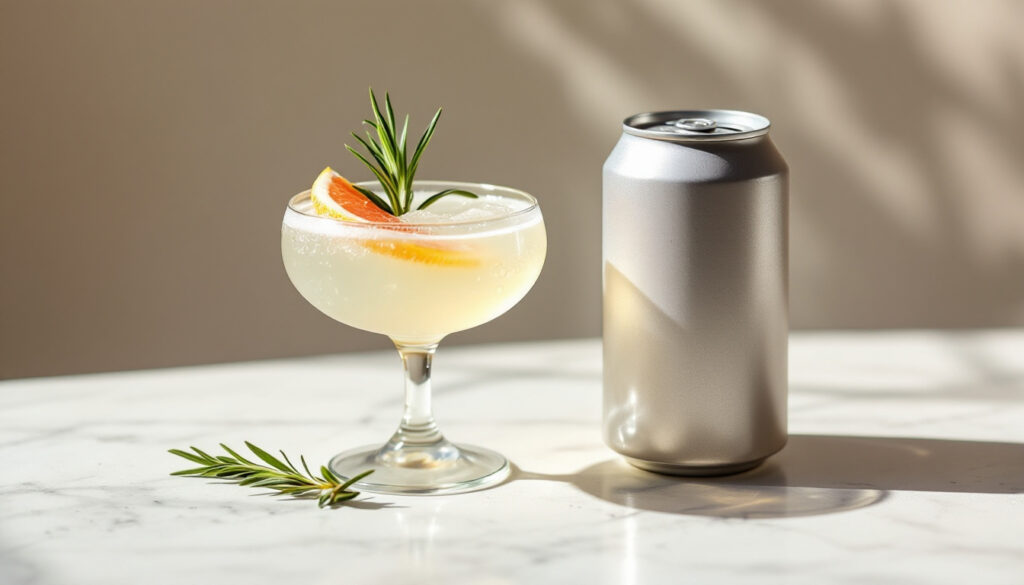

Walk into any decent bottle shop in 2026 and you’ll see it: a wall of slim cans promising “citrus,” “calm,” “focus,” or a strain name you recognize from the dispensary. Look closer at the ingredient list and you’ll spot the quiet star of the whole movement. Terpenes.
Terpene infused beverages have gone from a niche curiosity to one of the most talked-about formats in functional and cannabis drinks. Some are hemp-derived THC seltzers. Some are zero-buzz “functional” sparkling waters. What ties them together is the aromatic oils doing the heavy lifting on flavor, scent, and the story brands tell about how a drink should make you feel.
So why now, and what are terpenes actually adding to your glass? Let’s get specific, because there’s a lot of marketing noise and a fair bit of real science underneath it.
What are terpene infused beverages?
Terpene infused beverages are drinks formulated with terpenes, the aromatic compounds that give plants their smell, added for flavor, aroma, and a particular sensory experience. They show up in THC and CBD seltzers, hemp tonics, sparkling waters, mocktails, and even some sodas and energy drinks.
Terpenes are everywhere in nature. They’re the pine in a forest, the citrus in an orange peel, the pepper bite in a clove. In cannabis they’re responsible for why two strains with similar THC can smell and feel completely different. If you want the full breakdown of how these compounds sit alongside cannabinoids, our explainer on terpenes versus cannabinoids is a good primer.
In a beverage, terpenes do three jobs at once. They carry the aroma you smell as you bring the can to your lips. They shape the flavor on the palate. And, for many brands, they anchor a claimed “experience,” the daytime-versus-nighttime framing that’s become standard shelf language.
Why terpenes are suddenly everywhere in drinks
A few things collided at once. THC and hemp beverages exploded as a lower-commitment, alcohol-alternative format, and beverage makers needed flavor systems that felt natural rather than synthetic. Terpenes fit perfectly.
They also let brands sell more than taste. A citrus-forward terpene blend can be positioned as “uplifting.” A blend leaning on linalool and myrcene gets the “unwind” treatment. Whether or not those effects hold up at beverage doses is a separate question we’ll get to, but the marketing pull is obvious.
There’s a sourcing story too. Plenty of drinkers now actively prefer plant-derived ingredients over lab-made flavorings, and terpenes can be extracted from real botanicals. That consumer pull toward “from the plant” labeling has pushed terpenes from the cannabis aisle into mainstream functional drinks.
What terpenes actually add to a beverage
Aroma comes first. Most of what we call “flavor” is really smell, and terpenes are volatile, meaning they evaporate easily and hit your nose fast. That’s why a well-made terpene drink smells like a fresh orange grove or a pine forest the moment you crack it.
Then there’s taste. Limonene reads as bright and citrusy. Pinene brings a crisp, resinous edge. Linalool leans floral and soft. Beta-caryophyllene adds a warm, peppery spice. Brands layer these the way a perfumer builds a fragrance, which is why limonene’s citrus character shows up in so many launch flavors.
The trickier claim is “experience.” Some terpenes do have documented biological activity. The most cited example is beta-caryophyllene, which a 2008 study in PNAS identified as a dietary cannabinoid that selectively binds the CB2 receptor. That’s genuinely interesting, and it’s why caryophyllene gets so much attention, as we cover in our deeper look at the caryophyllene terpene profile.
Worth being honest here, though. Most terpene effect research is preclinical, often done in cells or animals at doses far higher than what fits in a 12-ounce can. The aroma and flavor benefits in beverages are real and immediate. The claimed mood or wellness effects from terpenes alone are mostly promising-but-unproven, and the better brands don’t pretend otherwise.
Botanical vs cannabis-derived terpenes, and the GRAS question
Here’s where formulation gets serious. Terpenes used in a drink can come from two broad places, and the difference matters for both flavor and regulation.
- Botanical (food-derived) terpenes: extracted from common plants like citrus peel, hops, pine, or lavender. Many of these are already used as flavor ingredients in the wider food industry.
- Cannabis-derived terpenes: pulled from the cannabis or hemp plant itself, prized for strain-accurate aroma but more tightly tied to cannabis regulation and often more expensive.
For anything going into a consumable beverage, the food-grade angle is non-negotiable. In the US, a flavor ingredient added to human food generally needs to be a recognized safe substance. The flavor industry’s FEMA GRAS program evaluates flavoring substances against the same safety standard the FDA uses, described as a “reasonable certainty of no harm” under the intended conditions of use.
Lots of common terpenes have a long history as food flavorings. D-limonene, for instance, is used as a flavoring agent in food manufacturing and gives citrus products that recognizable peel-fresh note. That track record is exactly why citrus terpenes are such a safe, popular starting point for beverage flavor systems.
The practical takeaway for brands: a terpene being “natural” or “cannabis-derived” doesn’t automatically make it appropriate for a drink. Food-grade documentation, purity, and intended-use safety are what count. If you’re weighing sources, our breakdown of natural versus synthetic terpenes is worth a read before you commit to a supplier.
The solubility problem nobody warns you about
Now the engineering headache. Terpenes are oils. Drinks are mostly water. Oil and water, as you know from any salad dressing, do not want to mix.
This isn’t a minor inconvenience. Many terpenes are strongly hydrophobic, with very low water solubility. Limonene’s own solubility profile lists it as essentially insoluble in water. Dump raw terpenes into a sparkling water and you’ll get an oily film floating on top, uneven flavor, and a product that separates on the shelf.
The fix is emulsification. Research on oil-in-water nanoemulsions notes that terpene bioavailability and delivery are limited “due to their hydrophobic nature and very poor water-solubility,” and that nanoemulsions are one of the most promising systems for improving the solubility of these compounds. In plain terms, you break the terpene oil into tiny droplets, wrap them in a surfactant, and disperse them so the liquid stays clear and stable.
Here’s a simplified version of what good beverage terpene formulation involves:
- Choose the terpene blend for the target flavor and aroma, with food-grade documentation in hand.
- Build a water-compatible system, usually a nanoemulsion or another encapsulation method, so the oils disperse evenly.
- Dial in dose carefully, because terpenes are potent and a tiny overdose tips a drink from “pleasant citrus” into “soapy” or “medicinal.”
- Test for stability, making sure the emulsion survives time on the shelf, temperature swings, and any pasteurization step.
- Re-check flavor over shelf life, since volatile terpenes can fade or shift, changing the experience weeks after canning.
Get this wrong and the product separates, off-gasses, or tastes nothing like it did on day one. It’s a real reason some early terpene drinks flopped, and it’s why suppliers and formulation partners now sell water-soluble or water-miscible terpene systems specifically built for beverages.
What buyers and brands should look for
If you’re a dispensary buyer, a formulator, or just a curious drinker who reads labels, a handful of signals separate a serious terpene beverage from a gimmick.
- Named terpenes, not just “natural flavors.” Transparency about which terpenes and at what role suggests the brand actually built a profile rather than buying a generic flavor pack.
- Food-grade and purity documentation. Ask whether the terpenes are food-grade and lab-tested. The stakes are higher in a swallowed product than in a vape, which is why terpene purity standards matter so much here.
- Honest effect language. “Citrus-forward, bright aroma” is defensible. “Cures anxiety” is not. Restraint is a good sign.
- Clean appearance and consistent taste. A stable, clear or evenly cloudy liquid that tastes the same from can to can tells you the emulsification was done right.
- A supplier story that holds up. Edible and beverage makers are getting pickier about sourcing for exactly these reasons, a shift we explore in why edible brands are rethinking their terpene supplier.
Frequently asked questions
Are terpene infused beverages safe to drink?
The terpenes themselves are generally fine when they’re food-grade and used at flavor-appropriate levels, and many common terpenes have a long history as food flavorings recognized under safety programs like FEMA GRAS. Safety concerns usually come from the other ingredients (THC dose, additives) or from poorly sourced, non-food-grade terpenes, so the documentation behind the product matters more than the word “terpene” on the can.
Do terpenes in drinks actually do anything beyond flavor?
They reliably add aroma and flavor, and a few terpenes like beta-caryophyllene have documented biological activity in lab studies. But most effect research is preclinical and uses much higher doses than a single beverage delivers, so treat “functional” mood or wellness claims as plausible-but-unproven rather than guaranteed.
What’s the difference between botanical and cannabis-derived terpenes in beverages?
Botanical terpenes come from common food plants like citrus, hops, or lavender, while cannabis-derived terpenes come from the cannabis or hemp plant and aim for strain-accurate aroma. Botanical sources are often cheaper and easier to document as food-grade, while cannabis-derived ones offer authenticity at a higher cost and with tighter regulatory ties.
Why do some terpene drinks taste oily or separate?
Because terpenes are oils that barely dissolve in water. Without proper emulsification, usually a nanoemulsion or similar encapsulation, the terpene oil floats, the drink separates, and the flavor turns uneven or soapy. A clean, stable beverage is a sign the formulation was engineered properly.
The takeaway
Terpene infused beverages are riding a real wave, and the appeal makes sense: natural-feeling flavor, vivid aroma, and an effects-first story that lines up with how people want to drink in 2026. The flavor and aroma value is genuine and immediate. The deeper “functional” promises are still mostly early science, so a little skepticism is healthy.
For brands, the winners will be the ones who treat terpenes as a food-grade ingredient with a serious solubility problem to solve, not just a buzzword to slap on a label. For drinkers, the smart move is simple: read the can, trust the brands that name their terpenes and source them properly, and enjoy the aroma for exactly what it reliably delivers.