
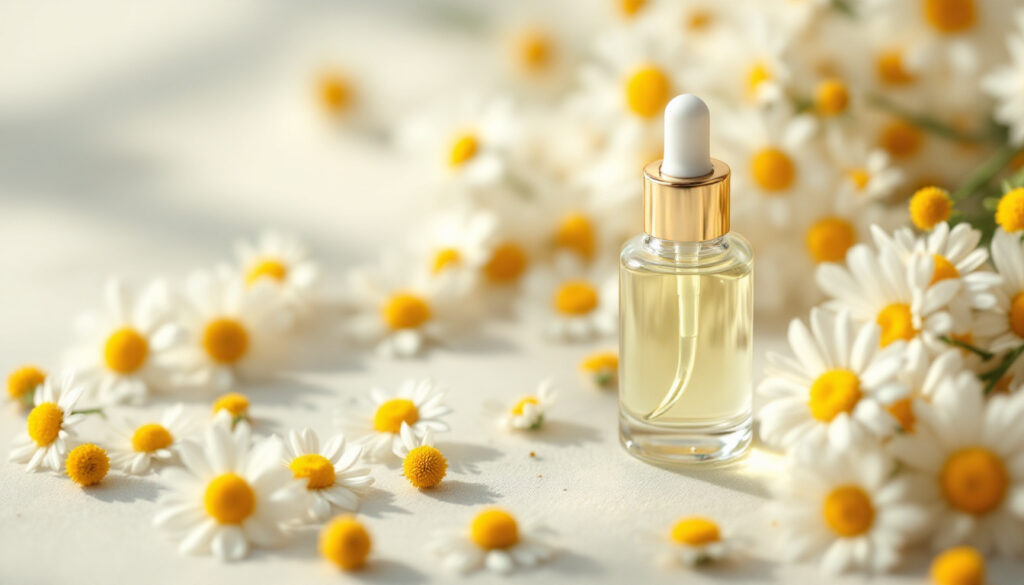

Smell a cup of chamomile tea and you have already met bisabolol. That soft, faintly sweet, almost honeyed floral note is largely down to this one compound. It is the terpene that makes chamomile feel calm before you have even taken a sip.
In cannabis, bisabolol rarely steals the show. It hangs back, smoothing the sharper edges of a strain, adding a gentle floral warmth rather than a loud signature. That quiet personality is exactly why formulators and skincare chemists have grown so fond of it.
Here is the honest version of what bisabolol is, where it comes from, what the science actually supports, and why it keeps turning up in everything from premium serums to cannabis topicals.
What is the bisabolol terpene?
Bisabolol, more precisely alpha-bisabolol (also written as a-bisabolol or levomenol), is a monocyclic sesquiterpene alcohol. In plain terms, it is a slightly larger, oilier terpene molecule than the light citrus and pine terpenes most people know first.
It was first identified and extracted from Matricaria chamomilla, better known as German chamomile, which is still the compound most people associate with it. That chamomile heritage shapes both its aroma and its reputation as a soothing ingredient.
Because it is a sesquiterpene rather than a small monoterpene, bisabolol is heavier, less volatile, and tends to linger. It sits in the same structural family as other base-note terpenes like caryophyllene and nerolidol, the woody sesquiterpene used in perfume, which is part of why it survives extraction and shows up in finished products so reliably.
What does bisabolol smell and taste like?
Think mild and clean rather than dramatic. Bisabolol carries a delicate floral aroma with chamomile at its core, plus a light sweetness and the faintest hint of something herbal and green.
It is the opposite of an in-your-face terpene. Where limonene shouts citrus and pinene snaps with fresh forest, bisabolol whispers. In a strain it usually reads as a subtle softness in the background, the thing that rounds off a harsh exhale.
On the palate it follows the nose: gentle, slightly sweet, never bitter or sharp. That smoothness is a big reason brands like having it in vape and edible blends, where it can take the rough corners off louder terpenes without changing the headline flavor.
Where does bisabolol come from?
Chamomile is the famous source, but it is not the most concentrated one. German chamomile essential oil contains a meaningful share of alpha-bisabolol, sitting alongside its close relatives bisabolol oxides A and B, chamazulene, and beta-farnesene, the cocktail that gives chamomile its character.
For commercial supply, though, the spotlight shifts to South America. According to a 2022 review in Nutrients, the Brazilian candeia tree (Eremanthus erythropappus) yields roughly 66 to 91 percent alpha-bisabolol in its oil, making it the dominant natural source for the ingredient used in cosmetics and wellness products. You can read the figures in that review of alpha-bisabolol’s pharmacology.
There is a sustainability wrinkle worth knowing. Harvesting candeia for distillation is not a renewable-by-default process, which is part of why bisabolol is increasingly produced through chemical synthesis and, more recently, microbial fermentation. If you care about sourcing, bisabolol is a good example of why provenance and lab documentation matter, the same thinking behind our breakdown of what a terpene benefits chart and quality data should tell you before you buy.
Bisabolol cannabis effects: what the research actually shows
Time for the careful part. Bisabolol has a genuinely interesting research file, but almost all of it comes from lab and animal studies, not large human cannabis trials. So treat what follows as promising signals, not settled medicine.
The Nutrients review describes alpha-bisabolol as having documented anti-inflammatory, antioxidant, antimicrobial, antinociceptive (pain-dulling), neuroprotective, and anticancer activity in preclinical work. The authors are blunt that these findings come mostly from cell lines and animal models, and that more study is needed before firm human claims.
Its anti-inflammatory and soothing reputation lines up with chamomile’s long history. A 2022 review of chamomile’s therapeutic uses notes that the plant “is primarily used for the treatment of mild skin irritation” and attributes part of that to constituents including alpha-bisabolol, as documented in this comprehensive study of chamomile applications.
What does that mean for cannabis specifically? Bisabolol’s mild, calming profile means it is often grouped with the relaxing terpenes rather than the energizing ones. If you are mapping how soothing aromatic compounds may contribute to a chilled-out experience, our guide to calming terpenes that promote relaxation covers the wider picture, and it pairs naturally with floral relaxers like linalool, the floral compound studied for calming effects.
A quick reality check on terpene claims
The entourage effect, the idea that terpenes and cannabinoids work better together, is plausible and actively researched, but it is not fully proven in humans for any single terpene. Bisabolol is no exception. Enjoy it for its aroma and its supporting role, and keep medical expectations modest.
The skincare crossover: why cosmetics love bisabolol
This is where bisabolol genuinely shines, and where the evidence base is strongest. It has been a quiet staple of the cosmetics industry for decades, valued as a gentle, skin-friendly active.
A published toxicology safety assessment concluded that “Bisabolol is safe as used in cosmetic formulations,” a finding from the expert review reproduced in the International Journal of Toxicology safety report on bisabolol. That long safety track record is a big reason it appears in so many sensitive-skin products.
Formulators tend to reach for it because:
- It is soothing. Its anti-inflammatory profile makes it a popular choice in products aimed at irritated, reactive, or redness-prone skin.
- It is gentle. Low irritation potential means it plays well in formulas for sensitive skin and baby care.
- It is a penetration enhancer. Bisabolol can help other ingredients absorb into skin, which is useful, but it also means it can carry whatever it is blended with deeper, so clean formulation matters.
- It smells pleasant. That soft chamomile note doubles as a light, natural fragrance.
Now connect those dots to cannabis. Topical balms, salves, and creams are one of the fastest-growing categories in the market, and bisabolol fits the brief almost perfectly: a plant-derived, soothing, skin-safe terpene that already lives in the cannabis plant. It is a natural bridge between the wellness aisle and the dispensary shelf.
Which cannabis strains contain bisabolol?
Bisabolol is usually a minor terpene in cannabis, present in modest amounts rather than as a top-three star. Exact content swings hard with genetics, growing conditions, and how the plant was processed, so a lab report beats a strain name every time.
That said, bisabolol tends to show up in cultivars with soft, sweet, floral, or chamomile-like notes. Strains often associated with it in cannabis testing include:
- Harle-Tsu, a high-CBD cultivar frequently linked with mellow, low-key profiles.
- ACDC, another CBD-rich strain known for its gentle character.
- Master Kush, where bisabolol can add a smooth floral underlay.
- Pink Kush and other sweet, floral-leaning indicas.
Notice the pattern: bisabolol keeps company with calming, sweeter strains rather than fuel-forward sativas. It also frequently sits alongside the spicy heavyweight caryophyllene, the peppery terpene studied for pain, since both are sesquiterpenes that survive extraction well and lend body to a profile.
Why bisabolol matters for formulators
If you build cannabis or wellness products, bisabolol earns its place for reasons that have little to do with hype. It is a workhorse, not a headliner.
First, it is a smoothing agent. Adding a small amount can soften an aggressive terpene blend, making vapes and concentrates more pleasant without masking the lead aroma. Second, its sesquiterpene weight means it holds up through heat and extraction better than fragile monoterpenes, so what you formulate is closer to what the customer receives.
Third, it bridges categories. A topical line that wants a credible, well-documented soothing story can lean on bisabolol’s cosmetic pedigree honestly, without overclaiming. Just keep two things in mind: its penetration-enhancing effect means ingredient purity is non-negotiable, and its delicate aroma is easily buried, so dose it for function rather than for scent.
Frequently asked questions about bisabolol
Is bisabolol the same as chamomile?
No, but they are closely tied. Bisabolol is one of the main active compounds in German chamomile essential oil, so chamomile’s familiar soothing reputation is partly bisabolol at work. The terpene itself is a single molecule, while chamomile is the whole plant and its full mix of compounds.
Does bisabolol get you high?
No. Bisabolol is a terpene, not a cannabinoid, so it has no intoxicating effect on its own. It contributes aroma and may play a supporting role in the overall feel of a product, but it does not produce a high the way THC does.
Is bisabolol safe for skin?
The published evidence is reassuring. A toxicology safety assessment concluded bisabolol is safe as used in cosmetic formulations, which is why it appears widely in products for sensitive and irritated skin. As with any ingredient, patch test new products and check the full formula, since bisabolol can help other ingredients penetrate the skin.
What are the effects of bisabolol in cannabis?
In preclinical research, alpha-bisabolol shows anti-inflammatory, antioxidant, antimicrobial, and mild pain-dulling activity, and it is generally grouped with calming rather than stimulating terpenes. These results come mostly from lab and animal studies, so view them as promising rather than proven for humans.
The takeaway on bisabolol
Bisabolol is the quiet diplomat of the terpene world. It does not dominate a strain or a formula, it improves it, adding a soft chamomile calm, a smoother finish, and a soothing story that the cosmetics industry has trusted for decades. The skincare evidence is solid, the cannabis-specific research is still early, and the smart move is to respect both of those truths. For brands and curious users alike, it is a terpene worth knowing for what it does well: making things gentler.