
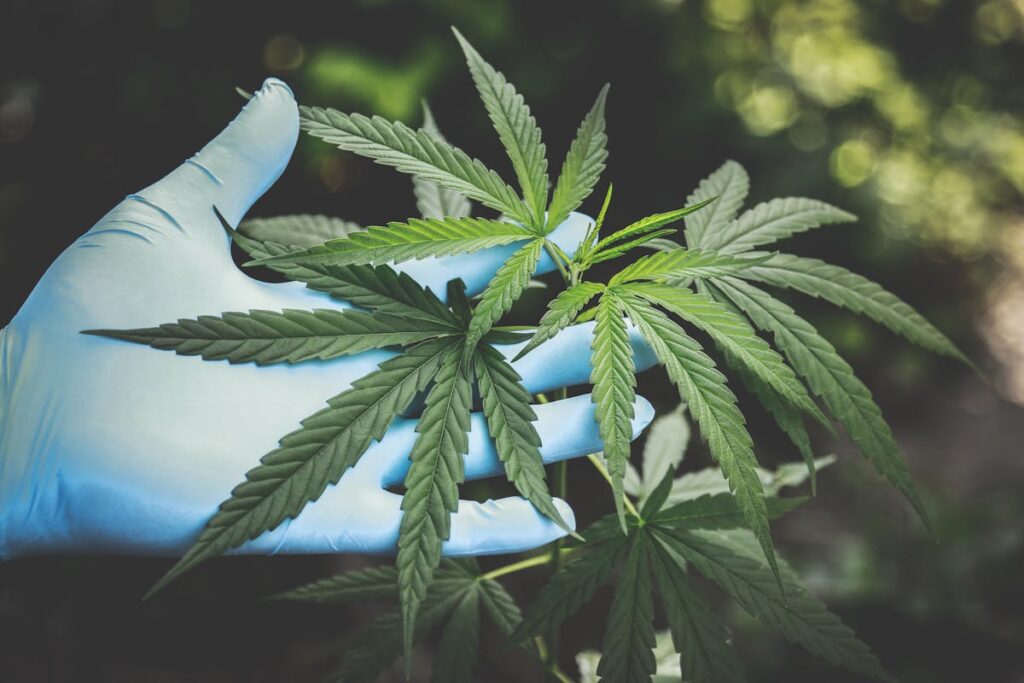

Picture this: you walk into a dispensary for the first time, the budtender asks how much you want, and your brain goes completely blank. “An… eighth?” you say, hoping you sound like you know what you are talking about. The budtender nods and you walk out with your purchase, still unclear on what exactly you just bought in terms of actual weight.
You are not alone. The cannabis measurement system is a weird hybrid of imperial measurements, slang, and dispensary convention that nobody ever formally explains. We are fixing that right now.
Why Does Cannabis Use These Measurements?
Cannabis in the United States is sold in imperial measurements, specifically fractions of an ounce, going back to the days before legal markets when dealers used that system. Even now that dispensaries operate like retail stores, the tradition stuck. It is simultaneously charmingly old-school and mildly confusing for new consumers.
The core unit is the ounce (28 grams), and everything else is a fraction of that. Understanding this makes the whole system click into place.
The Complete Weed Measurement Breakdown
One Gram (1g)
A gram is the smallest common unit you will find at most dispensaries. It is roughly the size of a small grape or a large blueberry when you are talking about dense flower. One gram is typically enough for one to two average joints or a few bowls depending on how you pack them.
Grams are perfect for trying a new strain without committing to a larger purchase. If you are a lighter smoker or if you are exploring a specific strain for a specific effect, starting with a gram is the smart move.
Average price range: $8 to $20 depending on quality and market.
An Eighth (3.5 grams)
The eighth is, without question, the most popular unit sold in dispensaries. It is one-eighth of an ounce (28 divided by 8 = 3.5 grams). For casual consumers who smoke a few times a week, an eighth lasts a reasonable amount of time. For daily users, it goes faster than you want it to.
An eighth gives you enough to properly evaluate a strain. You are not just getting one session, you are getting multiple experiences at different times and contexts, which is actually valuable information if you are selecting cannabis for a specific purpose.
See our full breakdown of cannabis measurements including international equivalents for more context on how these weights translate globally.
Average price range: $25 to $60 depending on quality and market.
A Quarter (7 grams)
A quarter ounce is 7 grams, or two eighths. It is the sweet spot for regular consumers who have a strain they know they like. You get the per-gram savings of buying in bulk without committing to a half or full ounce.
A quarter lasts most moderate smokers one to two weeks. If you are making any kind of edible or infusion, a quarter is a reasonable starting amount, though it will not stretch very far in that context.
Average price range: $45 to $100 depending on quality and market.
A Half Ounce (14 grams)
A half ounce is 14 grams. At this quantity, you are making a real commitment to a strain or a producer, and the per-gram price should reflect meaningful savings compared to buying individual grams or eighths.
For heavy daily users, a half might last a week or two. For moderate consumers, it could last a month. For people primarily using cannabis for edibles or tinctures, a half gives you a reasonable working quantity for home infusion projects.
Average price range: $80 to $160 depending on quality and market.
An Ounce (28 grams)
An ounce is 28 grams, sometimes called a “zip” in slang terms. It is the maximum amount that many state legal frameworks allow an individual to possess in public at one time. Buying by the ounce offers the best per-gram value and is the choice of heavy consumers and those who cook with cannabis regularly.
An ounce of quality cannabis is a genuinely substantial quantity. Treat it well: proper storage in an airtight container in a cool, dark space keeps it fresh for much longer than just leaving it in its dispensary bag.
Average price range: $140 to $280 depending on quality and market. Top-shelf craft flower can exceed this in premium markets.
Beyond an Ounce: Quarter Pounds and Pounds
Most individual consumers will never need to think about quantities beyond an ounce. For reference:
- Quarter pound (QP): 113 grams / 4 ounces
- Half pound: 226 grams / 8 ounces
- Pound: 453 grams / 16 ounces
These quantities are relevant for licensed producers, processors, and in some states for caregivers who supply multiple patients. Individual possession limits in most legal states cap out at one or two ounces for recreational users. Possessing pound quantities as an individual without appropriate licensing is a serious legal issue in virtually every jurisdiction.
The Slang Dictionary for Cannabis Measurements
Because cannabis has decades of underground culture behind it, almost every common quantity has at least one nickname:
- Dime bag: Historically $10 worth, roughly half a gram to a gram depending on era and market
- Dub: $20 worth, typically around a gram in legal markets
- Eighth: The eighth stays as “eighth” in most circles, though some say “slice”
- Zip: One ounce (28 grams)
- QP: Quarter pound
- Half a zip: Half ounce
- Lid: An older term for roughly an ounce, less common now
Most of the slang dates from the pre-legalization era. In legal dispensaries, people generally just say the weight. “I would like 3.5 grams of the Gelato” is perfectly normal and way less confusing than trying to use decade-old slang with a budtender who would rather just help you find what you need.
How to Measure Cannabis at Home
If you are making edibles, tinctures, or infusions, accurate measurement matters more than casual consumption. You need to know your starting quantity to estimate your dose per serving.
What you need:
- A digital scale accurate to 0.1 grams (available for under $15 on Amazon and widely available)
- A small bowl or plate for taring
How to use it:
- Place your bowl on the scale and press “tare” to zero out the weight
- Add your cannabis until you reach the desired weight
- Done. That simple.
Do not try to eyeball measurements for edibles. The difference between 3 grams and 5 grams in a batch of brownies is the difference between a pleasant evening and a very intense one. Own a scale.
Why Prices Vary So Much
You might notice that price ranges for the same weight vary dramatically. That is not a mistake. Cannabis pricing is influenced by:
- State market and taxes: States with higher cannabis excise taxes pass those costs to consumers. California’s combined taxes can add 35 to 45% to a pre-tax price.
- Cultivation method: Indoor-grown cannabis typically costs more than outdoor or greenhouse. The environmental control and energy costs are significant.
- Genetics and brand: Craft genetics from established breeders command premiums, and branded cannabis products carry marketing costs.
- THC percentage and quality: Higher tested THC and strong terpene profiles push prices up, though THC percentage alone is not the best indicator of quality.
- Competition in the market: More licensed dispensaries in a given area generally means more competitive pricing.
Understanding the role terpene levels play in cannabis potency can help you evaluate whether a higher-priced product is actually worth the premium. Hint: it often is, but not always.
International Cannabis Measurements: A Quick Note
Most of the world uses metric, which means in countries with legal cannabis markets outside the U.S., you will see quantities listed entirely in grams without the imperial fraction system. An “eighth” is a distinctly North American concept. In the Netherlands, the Netherlands, Canada, and most European markets, you simply ask for a specific number of grams.
Canada, despite being a metric country, has adopted some of the gram-based dispensary language familiar to U.S. consumers, since a significant portion of the Canadian cannabis industry was built by people with American market experience.
Storing Cannabis to Preserve What You Bought
Once you have your carefully measured purchase, storage matters. Improper storage leads to dried-out, harsh cannabis that loses its aroma and potency faster than it should.
Best practices:
- Airtight glass jar: The gold standard. Mason jars work perfectly.
- Cool and dark: A drawer, cabinet, or cool room. Not the refrigerator (humidity fluctuations) and not a sunny windowsill (UV degrades cannabinoids and terpenes).
- Humidity: Aim for 58 to 62% relative humidity inside your storage container. Boveda packs are cheap and work well.
- Separation: Store different strains separately if you care about preserving individual terpene profiles.
Learning about how terpenes and cannabinoids work together will make you a much smarter consumer when evaluating what you are buying and how to keep it fresh.
Quick Reference Table
| Name | Grams | Typical Price Range | Best For |
|---|---|---|---|
| Gram | 1g | $8-$20 | Trying a new strain |
| Eighth | 3.5g | $25-$60 | Regular casual use |
| Quarter | 7g | $45-$100 | Known favorites |
| Half Ounce | 14g | $80-$160 | Heavy users, edibles |
| Ounce (Zip) | 28g | $140-$280 | Best value, bulk |
The cannabis measurement system has its quirks, but it is not that hard once you see the whole picture. An ounce is the anchor, everything else is a fraction of it, and a digital scale makes any home measuring you need to do accurate and effortless. Now you know exactly what you are buying and how much of it you have. That is genuinely useful information.