
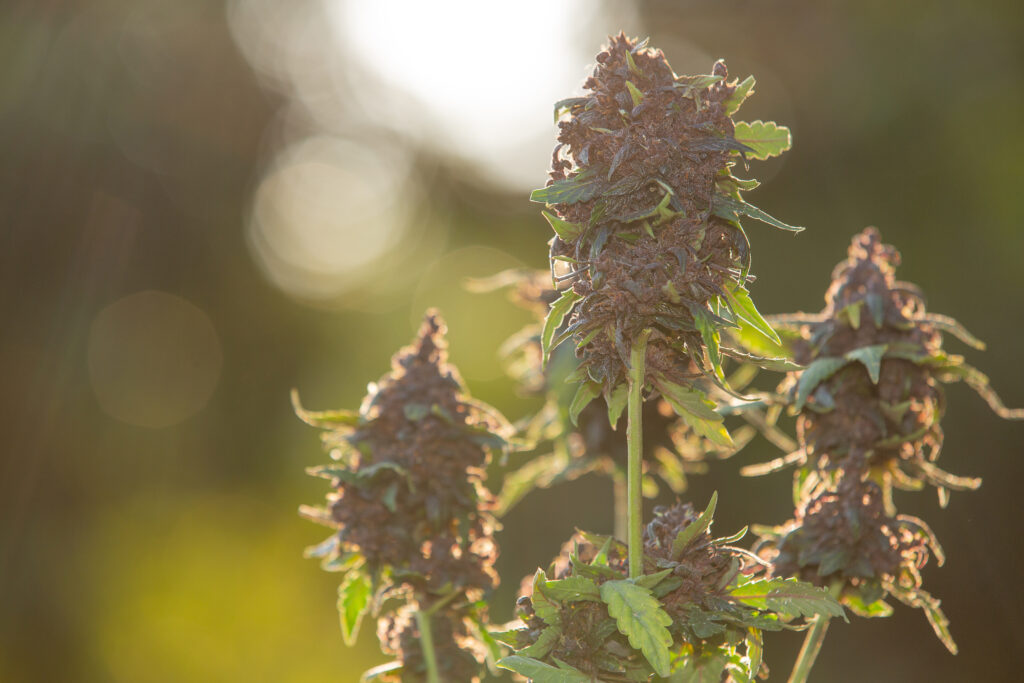

That familiar lavender aroma in certain cannabis strains isn’t coincidental. Both plants share linalool, a floral compound responsible for profound calming effects that extend far beyond pleasant scents. This terpene reduces cortisol levels and synchronizes brain activity into relaxed rhythms, making it a cornerstone of anxiety relief strategies.
Clinical studies reveal linalool increases adenosine, a sleep-inducing hormone, while simultaneously addressing emotional wellness. Cannabis strains like Forbidden Fruit contain approximately 0.19% linalool, contributing to their relaxation profiles alongside complementary terpenes. Optimal concentrations for sleep formulations range from 0.3-0.8%, demonstrating precise dosing matters for therapeutic outcomes.
Understanding linalool terpene effects means recognizing clear science behind every aroma. This compound doesn’t just create floral notes – it actively modulates your body’s stress response. Whether you’re exploring natural remedies for anxiety or seeking deeper relaxation, linalool represents one of cannabis’s most researched calming solutions. Let’s examine exactly how this powerful terpene works and which strains deliver maximum benefits.
What Does Linalool Do?
Linalool (C10H18O) is a monoterpene alcohol featuring two double bonds and a tertiary alcohol structure. This natural compound appears throughout the botanical world, with coriander oil containing 60-70% linalool concentrations and lavender flowers providing another abundant source. Cannabis plants produce this same aromatic molecule, creating the floral notes in certain strain profiles.
The compound functions through multiple biological pathways. Research demonstrates linalool inhibits acetylcholinesterase while modulating GABAergic activity, producing measurable anxiolytic and sedative responses. These mechanisms explain why inhaling linalool-rich vapors triggers relaxation without intoxication. The terpene also exhibits neuroprotective properties alongside antioxidant and antibacterial activities.
Beyond anxiety reduction, linalool addresses stress through physiological changes. Its interaction with neurotransmitter systems creates tangible shifts in nervous system function, making it valuable for formulations targeting emotional wellness. Cannabis strains rich in this terpene deliver these benefits alongside cannabinoids, creating synergistic therapeutic outcomes.
Whether sourced from herbs, essential oils, or cannabis flowers, linalool maintains consistent properties. Understanding these fundamentals helps consumers identify products matching their wellness goals. For deeper exploration of terpene profiles and concentration data, explore our terpene profiles chart guide.
Does Linalool Help with Anxiety?
Scientific evidence confirms linalool effectively reduces anxiety through targeted neurological pathways. This floral compound modulates serotonin receptors, specifically the 5-HT1A subtype, which regulates mood and emotional responses. Simultaneously, linalool enhances GABAergic activity – the brain’s primary inhibitory system – creating measurable anxiolytic outcomes without sedation at lower concentrations.
Clinical research demonstrates linalool’s dual-action approach that addresses both psychological and physiological anxiety markers. The compound reduces cortisol secretion while normalizing hypothalamic-pituitary-adrenal axis function, directly counteracting stress-triggered hormonal imbalances. Studies using preclinical models show consistent anxiety reduction when subjects inhale linalool-rich vapors or consume formulations containing this terpene.
Practical effectiveness depends on concentration and delivery method. Aromatherapy applications typically require 15-20 minute exposure periods, while ingested formulations demonstrate sustained relief over several hours. Cannabis products combining linalool with complementary cannabinoids often produce enhanced results through entourage effects. Users report noticeable relaxation within 10-30 minutes of consumption, with peak benefits occurring around the one-hour mark.
The compound’s safety profile strengthens its viability as a wellness support option. Unlike synthetic alternatives, linalool produces minimal side effects at therapeutic concentrations. For those exploring cannabis category archive products, strains containing 0.15-0.3% linalool provide entry-level calming support, while higher concentrations address more pronounced anxiety symptoms. This natural remedy offers evidence-backed stress relief through multiple biological mechanisms.
What Terpene Calms Anxiety? Understanding Linalool’s Relaxing Effects
Multiple terpenes address anxiety, but linalool stands out for its unique receptor interactions. Unlike myrcene, which produces heavier sedation through TRPV1 channel activation, linalool targets adenosine receptors to deliver anxiolytic effects without drowsiness. This distinction makes linalool ideal for daytime stress relief while myrcene suits evening formulations at 2-5% concentrations.
Beta-caryophyllene offers another compelling option, working through CB2 receptors to reduce anxiety-related behaviors without psychoactive effects. Research shows this pepper-scented compound provides anti-inflammatory benefits alongside emotional support. However, linalool’s GABAergic enhancement creates broader neurological calming compared to beta-caryophyllene’s receptor-specific action.
Effective concentrations differentiate these compounds. Linalool performs optimally at 0.3-0.8% in formulations, offering gentler onset than myrcene’s sedative punch. Combined approaches often prove most effective – cannabis terpene profiles featuring linalool, beta-caryophyllene, and trace myrcene deliver comprehensive anxiety reduction through complementary pathways.
For those seeking clarity without heaviness, linalool remains the primary choice. Its floral aroma signals therapeutic potential backed by adenosine receptor modulation. While myrcene excels for sleep support and beta-caryophyllene addresses inflammation-linked stress, linalool’s balanced profile makes it the go-to compound for general anxiety relief throughout waking hours.
What Does Linalool Make You Feel Like?
Most people describe linalool’s onset as gentle rather than dramatic. Within 5-10 minutes of inhaling linalool-rich vapors, you’ll notice shoulders dropping and breathing deepening – subtle physical cues preceding mental shifts. Sublingual delivery extends this timeline to 15-25 minutes, while edibles containing linalool require 45-90 minutes before producing noticeable relaxation.
The subjective experience centers on quiet calm rather than sedation. Reddit communities frequently report “mental clarity without racing thoughts” and “relaxed alertness that doesn’t interfere with tasks.” Unlike myrcene’s couch-lock heaviness or limonene‘s energizing lift, linalool creates what users call “functional relaxation” – you remain present and capable while tension dissolves.
Duration varies by delivery method and individual physiology. Vaporized linalool typically provides 2-3 hours of calming support, with peak benefits occurring 30-60 minutes post-consumption. Sublingual formulations extend this window to 4-6 hours, making them practical for sustained daytime anxiety relief. Women often report slightly longer duration compared to men, possibly due to metabolic differences affecting terpene processing.
Community feedback emphasizes linalool’s predictability. Users appreciate knowing they won’t experience drowsiness during work hours or overstimulation before bed. One Reddit thread noted: “It’s like your nervous system remembers how to relax naturally – no forced sedation.” This consistency makes linalool valuable for cannabis terpene profiles targeting specific wellness outcomes.
Physical sensations include muscle relaxation, reduced jaw tension, and slower heart rate. Mental effects manifest as decreased worry loops and improved emotional regulation. The compound doesn’t eliminate stressors but changes your physiological response to them, creating measurable distance between triggers and reactions without cognitive impairment.
Linalool’s Aroma Profile: Sweet, Floral, and Instantly Recognizable
Detecting linalool requires no laboratory equipment – your nose provides immediate recognition. This compound delivers herbaceous sweetness layered with unmistakable floral character, creating an aromatic signature identical to fresh lavender buds. Crush a cannabis flower rich in linalool and you’ll encounter that same botanical elegance, often accompanied by subtle citrus brightness.
Experienced consumers identify linalool-dominant strains through specific olfactory cues. Look for pronounced floral notes that feel clean rather than perfumed, with gentle spicy undertones resembling coriander or basil. Strains like Do-Si-Dos and Zkittlez showcase this profile, where sweetness balances earthy base notes without overwhelming intensity.
Concentration affects perception dramatically. Below 0.15%, linalool contributes background complexity. Above 0.25%, the floral character becomes more primary, dominating your sensory experience. The compound’s detection threshold sits remarkably low – humans perceive linalool at concentrations as minimal as parts per billion, explaining why even trace amounts influence overall aroma.
Temperature matters when evaluating profiles. Room-temperature flowers reveal linalool’s full spectrum, while heated consumption emphasizes spicier facets. This volatility creates evolving aromatic experiences throughout different consumption methods.
Cannabis Strains High in Linalool
Identifying linalool-rich cannabis requires understanding typical concentration ranges and sensory markers. Most dispensary strains contain 0.05-0.15% linalool, while exceptional cultivars reach 0.25-0.35%. These percentages might seem small, but they produce noticeable calming effects given linalool’s potency at low thresholds.
Top Linalool-Dominant Strains:
Granddaddy Purple: 0.18-0.28% linalool, delivering pronounced floral sweetness alongside grape undertones
Wedding Pie: 0.22-0.31% linalool, combining lavender notes with earthy vanilla complexity
Maple Kush: 0.15-0.25% linalool, offering woody-floral balance with subtle spice
Lavender: 0.20-0.30% linalool, providing classic herbal-floral dominance
Do-Si-Dos: 0.16-0.24% linalool, featuring sweet floral layers over cookie dough base
When purchasing, request lab certificates showing complete terpene breakdowns. Many dispensaries display only cannabinoid percentages, but comprehensive cannabis strain information includes individual terpene concentrations. Examine flowers for intact trichomes – damaged glands release volatiles before consumption, reducing linalool content.
Freshness determines potency retention. Properly stored cannabis maintains linalool concentrations for 6-8 months, while degraded product has lost 30-50% within weeks of poor storage. Ask budtenders about harvest dates and storage conditions. Vacuum-sealed packaging preserves aromatic compounds better than traditional containers.
Smell before buying when possible. Authentic linalool presence creates immediate lavender recognition without chemical harshness. Strains advertising floral profiles but lacking that distinctive botanical sweetness likely contain minimal linalool despite marketing claims.
Beyond Anxiety: Other Therapeutic Benefits of Linalool
Linalool’s therapeutic range extends well beyond emotional wellness. Research demonstrates this floral compound reduces pain perception through neuronal pathway modulation, making it valuable for discomfort management. Studies show linalool inhibits inflammatory markers including TNF-α and COX-2, addressing swelling at cellular levels without pharmaceutical side effects.
Sleep quality improves through linalool’s adenosine enhancement, creating natural drowsiness without morning grogginess. Optimal bedtime formulations contain 0.4-0.7% concentrations, supporting restorative rest cycles through sustained release mechanisms. Users report falling asleep 15-25 minutes faster when consuming linalool-rich products before bed.
Neuroprotective potential represents linalool’s most promising frontier. Laboratory models reveal significant acetylcholinesterase inhibition alongside memory improvement markers, suggesting applications for cognitive health maintenance. The compound reduces oxidative stress in neural tissue, protecting brain cells from age-related decline.
Skincare formulations increasingly feature linalool for antimicrobial and dermatoprotective properties. Topical applications inhibit acne-causing bacteria while supporting wound healing through anti-inflammatory action. Cannabis Terpenes incorporates these benefits across product lines, recognizing linalool’s versatility beyond anxiety relief.
Whether addressing physical discomfort, supporting restful sleep, protecting neurological function, or enhancing skin health, linalool delivers measurable outcomes through multiple biological pathways. This compound’s broad therapeutic profile makes it indispensable for comprehensive wellness strategies.
How to Maximize Linalool’s Effects in Your Cannabis Experience
Preserving linalool starts with proper storage. Refrigerate cannabis at 4°C in nitrogen-flushed containers or dark glass jars with oxygen scavengers. This prevents oxidation that degrades delicate floral compounds within weeks. Avoid plastic bags – they accelerate terpene loss through permeability.
Consumption temperature determines linalool retention. Vaporize at 198°C to preserve antidepressant and sedative properties without combustion byproducts. Lower temperatures extract floral notes first, while smoking destroys 40-60% of terpenes through excessive heat. Sublingual tinctures bypass thermal degradation entirely, delivering intact linalool directly into your bloodstream.
Combining linalool with complementary terpenes amplifies therapeutic outcomes. Pair with 0.5-1.0% myrcene for enhanced sedation, or beta-caryophyllene at similar ratios for inflammation-linked anxiety. Cannabis Terpenes formulations demonstrate these synergistic combinations produce stronger relief than isolated compounds. Typical therapeutic blends maintain linalool as the dominant terpene at 0.3-0.5%, supported by secondary compounds at lower percentages.
Timing matters for bioavailability. Consume linalool-rich products on an empty stomach for faster absorption, or with healthy fats to extend duration. Fresh flowers outperform aged product – harvest dates within three months ensure maximum potency.
Finding Your Calm with Linalool
Linalool’s anxiety-relieving properties stem from direct GABAergic modulation and serotonin receptor interaction, creating measurable emotional balance without pharmaceutical interventions. This floral compound offers personalized stress management when you match concentration levels to your specific needs – starting with 0.15-0.3% for mild tension, progressing to 0.4-0.8% for pronounced symptoms.
Seeking linalool-rich products means prioritizing lab-verified terpene profiles over marketing claims. Request certificates showing individual compound breakdowns, focusing on strains like Granddaddy Purple or Wedding Pie that consistently deliver therapeutic concentrations. Fresh flowers with intact trichomes preserve aromatic potency better than degraded alternatives.
Your ideal formulation depends on lifestyle requirements. Daytime anxiety benefits from lower linalool percentages maintaining alertness, while evening formulations leverage higher concentrations for sleep support. Combining linalool for calming effects with complementary terpenes creates synergistic outcomes exceeding isolated compounds.
Remember that wellness remains deeply personal. What relaxes one person might underwhelm another based on individual receptor sensitivity and metabolic differences. Start conservatively, track your responses, and adjust concentrations accordingly. Linalool’s safety profile permits experimentation without significant risk, making it accessible for those exploring natural anxiety solutions backed by clear science behind every aroma.