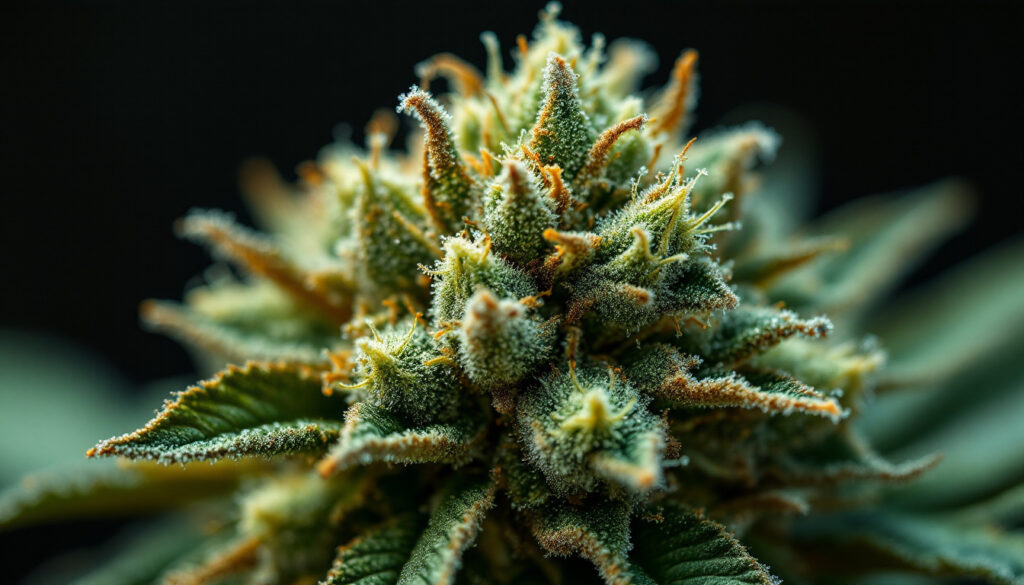

THCA flower is the clearest example of what happens when a legal test measures one specific thing. It was not a trick. It was a product built precisely to the definition it was given, and that definition is being replaced.
Why THCA flower worked
In a living cannabis plant, most of the THC is not THC. It is tetrahydrocannabinolic acid, THCA, an acid form that is not intoxicating on its own. Heat converts it. That is what happens when you light it or vaporize it, and it is why the difference between THCA and THC is a chemistry point rather than a marketing one.
The 2018 federal definition of hemp measured delta-9 THC only. Fresh, uncured, unheated flower can be genuinely low in delta-9 while carrying a lot of THCA. So flower that behaves exactly like cannabis when you use it could test as hemp when you measure it. Growers leaned into that, and a national market appeared.
What the new definition says
Section 781 of Public Law 119-37 replaces the test. Hemp now means the plant and its parts:
“with a total tetrahydrocannabinols concentration (including tetrahydrocannabinolic acid) of not more than 0.3 percent on a dry weight basis”
THCA is named. Not implied, not left to a lab’s interpretation, named in the statute. Once total THC is the measure and THCA counts toward it, flower that produces a real effect cannot test under 0.3 percent, because the compound responsible is now included in the number.
The statute also excludes viable seeds from plants that exceed the same total threshold, which closes the genetics route at the same time.
This takes effect 365 days after enactment. The Act was signed 12 November 2025, so the date is 12 November 2026.
What this does not mean
It does not mean the plant becomes more dangerous on a Thursday in November. Nothing about the chemistry changes. What changes is which legal category the same material falls into, and therefore who is allowed to sell it and under what rules.
In states with a licensed cannabis market, this material has a regulated home already. The change mostly moves product from an unlicensed national channel into a licensed state one, in the states that have one.
It also does not touch industrial hemp. The statute protects stalk, fiber, grain, seed and non-cannabinoid uses separately. Nobody is coming for hemp rope.
The delay question
The Senate released continuing resolution text on 2 August 2026 that would move most of these restrictions to 11 December. As of 3 August 2026 it has not passed. It requires the Senate, the House in identical language, and a signature, and it is attached to a funding fight that returns in December.
Treat 12 November as the operative date until something actually becomes law.
The part worth thinking about
A lot of buyers chose THCA flower on the number. Big THCA percentage, therefore good flower. That instinct was never reliable, and it is worth losing.
Two flowers with similar cannabinoid content can be completely different experiences, and the difference is largely aromatic. Why the percentage on the label misleads is the most useful thing to understand here, and if you want a practical way to choose, reading aroma with a terpene wheel will do more for you than reading a number ever did.
A note on what this is
This is a plain-English summary of a federal statute, written on 3 August 2026 and checked against the law itself rather than against other people’s coverage of it. It is not legal advice. If you sell these products, the version of this question that matters to you is the one your own attorney answers.