
What cannabis research reveals about terpene effects

What cannabis research reveals about terpene effects

California just allocated thirty million dollars specifically for cannabis research focused on terpenes and THC beverages. That's not venture capital hype - that's government funding acknowledging a credibility gap in what we actually know about these aromatic compounds. While dispensaries tout fruit flavor profiles and citrus notes in cannabis strains, the science behind terpenes effects has remained surprisingly thin, especially for compounds like myrcene that are often discussed without clinical backing
Discovering Nerolidol: The Woody Aromatherapy Terpene

Discovering Nerolidol: The Woody Aromatherapy Terpene

You've likely encountered the nerolidol Terpene without realizing it. This sesquiterpene alcohol delivers the distinctive woody and herbal aromatic profile found in lavender, lemongrass, and Cannabis varieties. Where plant aroma meets science, nerolidol stands out as a botanical compound with notable wellness potential.
Why Limonene Matters in Cannabis

Why Limonene Matters in Cannabis

You've likely encountered D-Limonene without realizing it this aromatic compound gives citrus fruits their distinctive aroma and appears as the second or third most abundant terpene in many cannabis varieties. Where plant aroma meets science, limonene stands out for more than just its bright, zesty profile.
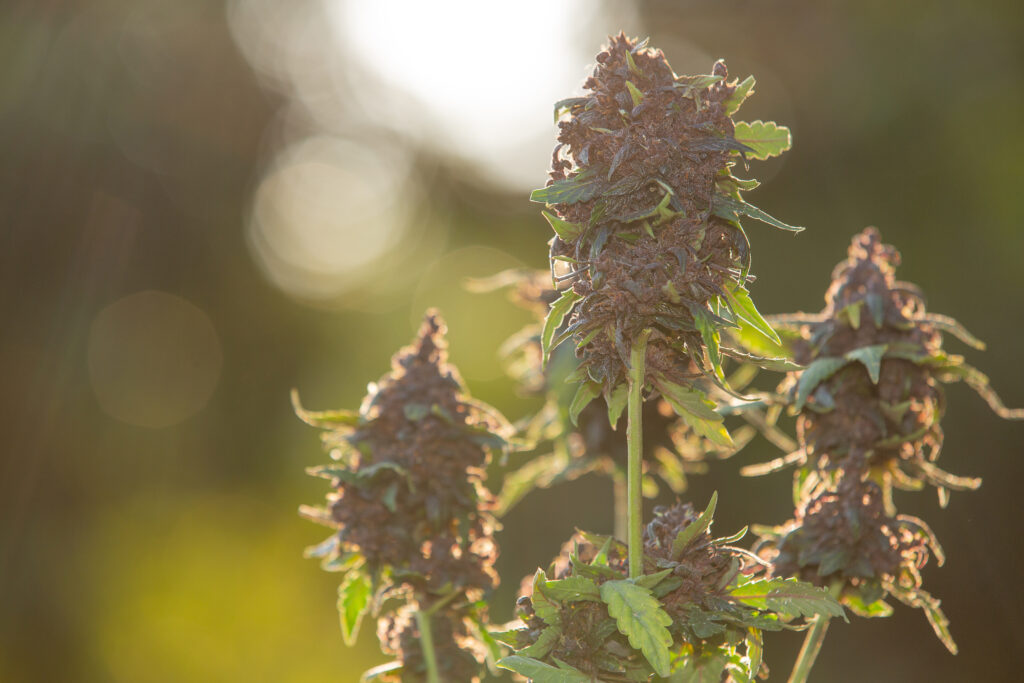
hemp flower

Why Indica Strains Feel So Relaxing

You've likely noticed that certain cannabis strains deliver profound relaxation while others energize you. The secret isn't just Indica versus Sativa genetics, it's the terpene profile, specifically Myrcene content. This compound, found in high concentrations in classic Indica strains, drives those sedative effects you experience.
The Pine-Scented Powerhouse: Understanding Pinene

The Pine-Scented Powerhouse: Understanding Pinene

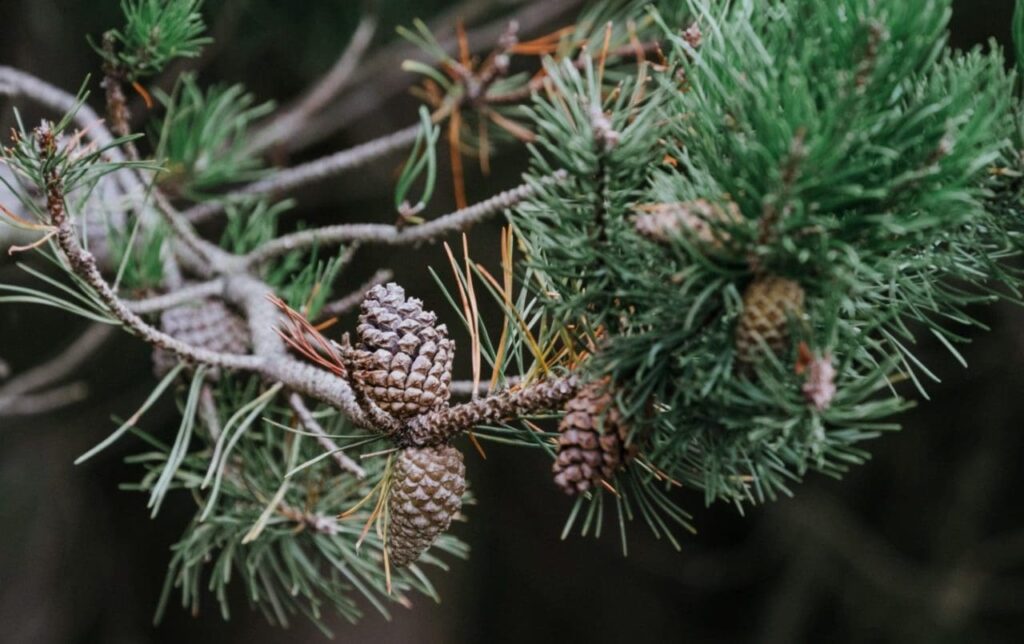
Step into a pine forest and that crisp, refreshing aroma filling your lungs comes from pinene, a therapeutic terpene that delivers far more than pleasant fragrance. This aromatic compound appears abundantly in cannabis, conifer trees, rosemary, and basil, creating the distinctive scent you recognize instantly.
Natural Calm: How Linalool Terpene Works

Natural Calm: How Linalool Terpene Works

Anxiety affects millions of Americans daily, driving many to seek natural alternatives to pharmaceutical interventions. Linalool terpene offers a plant-based compound with scientifically documented calming effects. This aromatic molecule, abundant in lavender and select cannabis strains, delivers therapeutic benefits through a well-understood biological mechanism.
terpenes for anxiety

Why Natural Pain Relief Matters Now More Than Ever

The United States continues to face a persistent opioid crisis, with fatal overdoses remaining a critical public health challenge despite recent improvements. Provisional data shows ongoing struggles with prescription misuse and illicit opioid-related deaths. This reality has driven millions of Americans to seek plant-based remedies that offer targeted relief without the risks of dependency.
Florida State Capitol building in Tallahassee representing Senate Bill 1398 marijuana legalization legislation 2026

Terpinolene effects explained: herbal aroma meets energy boost

Most cannabis strains contain less than 0.3% terpinolene, making it one of the rarest aromatic terpenes in the plant. Yet this scarcity doesn't diminish its impact. Terpinolene effects stand out for their paradoxical nature: research shows this natural compound can deliver an energy boost at lower concentrations while promoting relaxation at higher levels.