
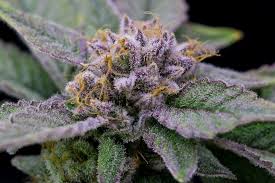

Common terpenes like myrcene, limonene, and pinene dominate cannabis products because they are easier to cultivate, stabilize, and extract at scale. Rare terpenes like nerolidol, guaiol, and valencene appear in fewer than 5% of strains, creating significant gaps in availability, cost, and the experiences they deliver. Understanding the difference helps you make smarter, more targeted product choices.
What Makes a Terpene Common or Rare?
Terpene classification depends on three primary factors: frequency of appearance across strains, genetic stability, and cultivation demands. Common terpenes appear in 40-80% of commercial varieties because they are genetically dominant. Rare terpenes show up in fewer than 20% of offerings due to recessive inheritance patterns or demanding growing conditions.
All terpenes originate from isoprene molecules. Two isoprene units form monoterpenes like limonene, while three units form sesquiterpenes like caryophyllene. Common varieties follow simpler synthesis pathways; specialized ones require intricate processes vulnerable to disruption.
The 8 Most Common Terpenes and Their Effects
1. Myrcene (up to 65% of strains)
Earthy and musky, myrcene is the most abundant cannabis terpene delivering relaxation and sedative effects. Learn more in our myrcene terpene profile and see why it tops best terpenes for sleep lists.
2. Limonene (~50% of strains)
Citrus-scented limonene supports mood and tension reduction. Explore full limonene benefits and its role in anxiety relief.
3. Pinene (40-50% of strains)
Pine-scented pinene promotes focus and mental sharpness. Read pinene terpene effects.
4. Caryophyllene (35-45% of strains)
Spicy caryophyllene engages CB2 receptors and supports pain modulation. Essential for pain relief. See the caryophyllene profile.
5. Linalool (30-40% of strains)
Floral linalool promotes tranquility. See linalool terpene effects and calming terpenes for sleep.
6. Humulene (25-35% of strains)
Earthy humulene may regulate appetite and inflammation. Explore humulene terpene benefits.
7. Terpinolene (10-20% of strains)
Terpinolene bridges common and rare with piney-floral notes. See our terpinolene effects guide.
8. Ocimene (10-15% of strains)
Sweet and herbal ocimene delivers uplifting qualities. Explore ocimene terpene benefits.
Rare Terpenes Worth Knowing
Nerolidol (under 5% of strains)
Delivers woody-floral notes and relaxation support but degrades rapidly post-harvest. See nerolidol terpene benefits.
Valencene (~3% of strains)
Sweet citrus character from Valencia oranges. Niche but growing in interest.
Borneol (5-8% of strains)
Menthol-like qualities found in certain Asian landrace genetics.
Guaiol (under 5% of strains)
The rarest widely discussed terpene with pine and rose aromas. Predominantly in heirloom genetics. Read our full guide to rare terpenes in 2026.
Common vs Rare Terpenes: Side-by-Side Comparison
| Factor | Common Terpenes | Rare Terpenes |
|---|---|---|
| Prevalence | 40-80% of strains | Under 5-20% of strains |
| Pricing | Lower cost | Higher cost |
| Cultivation | Stable and resilient | Sensitive and complex |
| Availability | Widely available year-round | Limited and often seasonal |
| Demand | High, mainstream | Specialized, growing |
How to Identify Common and Rare Terpenes on a COA
- Find the Terpene Profile section on the Certificate of Analysis
- The most abundant entries represent common terpenes
- Rare terpenes normally register below 0.2%
- Terpenes exceeding 1% are dominant profile components
For the full reference chart, see our terpene profiles chart guide.
Choosing Between Common and Rare Terpenes
Choose common terpenes for budget-conscious, predictable outcomes. Choose rare terpenes for unconventional experiences, accepting higher cost and sourcing difficulty. For buying guidance, see our premium terpenes buying guide and guide to buying rare and exotic terpenes.