
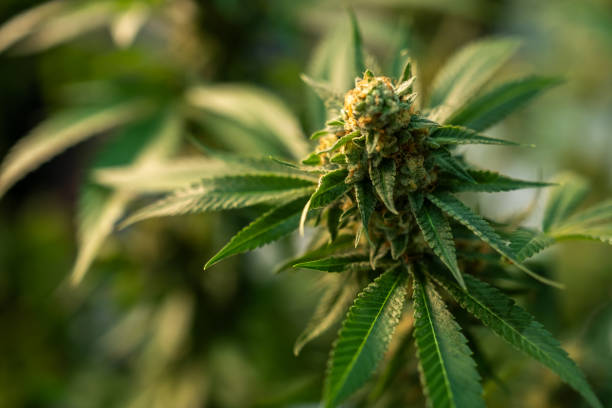

The quality of your terpenes directly determines whether your product delivers on its promise or falls flat. You’re not just buying aromatic compounds when you source terpenes — you’re purchasing the sensory experience, therapeutic potential, and brand reputation your customers will judge you by. Poor sourcing means inconsistent batches, off-flavors, and formulations that don’t perform as expected.
Product manufacturers face a unique challenge in this space. You need a sourcing guide that addresses compliance documentation, batch consistency, and integration with cannabinoids — not just basic buyer tips. The difference between premium botanical terpenes and substandard isolates shows up immediately in your final product, whether you’re formulating vape cartridges, edibles, or topicals. Strain-specific terpenes require even more scrutiny, as authenticity and profile accuracy become critical to delivering the effects your customers expect. Your sourcing decisions set the baseline for everything that follows in your production line.
Understanding Terpene Types for Product Formulation
Choosing the right terpene source shapes every aspect of your formulation, from cost structure to final product performance. Cannabis-derived terpenes, botanical terpenes, and distillate-based options each bring distinct advantages and limitations to your production line. Your decision impacts batch consistency, regulatory compliance, and whether you can deliver strain specific terpenes that match consumer expectations.
Cannabis-derived terpenes preserve the full spectrum of minor compounds found in specific cultivars, making them essential for authentic strain recreation. They’re extracted directly from cannabis biomass, capturing unique ratios that botanical sources can’t replicate. Understanding the distinction between live resin vs cured resin terpenes is critical here — extraction timing directly affects which minor compounds survive and which are lost before your formulation even begins. Botanical terpenes offer chemically identical compounds sourced from plants like citrus, pine, and lavender — delivering consistent profiles at lower price points. They work well for standardized formulations where you need predictable results across thousands of units.
| Terpene Type | Best For | Formulation Considerations |
|---|---|---|
| Cannabis-Derived | Strain-authentic products, premium vapes | Higher cost, limited availability, full entourage effect |
| Botanical | Cost-sensitive formulations, edibles, topicals | Affordable, scalable supply, requires custom blending for complexity |
| Distillate-Based | High-volume production, standardized products | Consistent purity, simplified compliance, may lack minor terpenes |
Cannabis Terpenes emphasizes that your formulation goals should drive your sourcing strategy, not just price. Botanical terpenes work when you’re scaling production and need reliable wholesale terpenes that meet terpene quality standards. Cannabis-derived options make sense when authenticity justifies the premium and your customers value strain-specific experiences over cost savings.
Quality Standards and Lab Testing Requirements Every Manufacturer Needs
Every terpene shipment you receive should include a Certificate of Analysis (COA) that proves purity, potency, and safety. You can’t build consistent formulations without verifiable data on what’s actually in each batch. Understanding things to keep in mind while buying terpenes requires you to interpret lab results, verify compliance standards, and confirm your vendor meets manufacturing regulations that protect your business from contamination risks.
COA Interpretation and Batch Verification — Your COA should list individual terpene percentages, residual solvents, heavy metals, and microbial contaminants. According to True Terpenes, reputable terpene vendors test every batch for pesticides, mycotoxins, and residual solvents to ensure products meet safety thresholds. Look for third-party lab validation, not just in-house testing. Verify the batch number on your COA matches the product label before you integrate it into production. Our breakdown of cannabis research on terpenes covers what current analytical science considers the minimum acceptable testing protocol for manufacturer-grade supply.
cGMP Compliance for Manufacturing Facilities — Current Good Manufacturing Practice (cGMP) certification confirms your supplier follows standardized protocols for production, storage, and quality control. Facilities operating under cGMP maintain documented procedures for equipment cleaning, environmental monitoring, and batch traceability. You reduce contamination risk and regulatory exposure when you source from certified manufacturers who follow these protocols.
Purity Thresholds and Contaminant Limits — Premium terpene quality standards require purity levels above 95% for most applications, with strict limits on heavy metals like lead and arsenic. Your supplier should provide detailed contaminant testing that meets or exceeds state cannabis regulations, even for botanical terpenes. Cannabis Terpenes recommends establishing internal acceptance criteria that go beyond minimum legal requirements to protect your brand reputation.
Top Online Terpene Suppliers: Direct Comparison for Manufacturers
Choosing the right terpene supplier directly impacts your formulation consistency, compliance posture, and production costs. You need transparent pricing structures, verifiable quality metrics, and manufacturer-specific features like custom blending or bulk discounts that scale with your production volume. Most suppliers market to consumers, but manufacturers require different support: batch-to-batch consistency, rapid turnaround on COAs, and flexible ordering systems that accommodate production schedules.
The table below compares four leading suppliers across the metrics that matter most for product manufacturers.
| Feature | Entour Brand | Denver Terpenes | USA Lab | True Terpenes |
|---|---|---|---|---|
| Terpene Source | Premium cannabis-derived & botanical blends | Botanical extracts | Cannabis-derived (CDT) | Botanical and blended formulations |
| Minimum Order | Flexible from 5mL samples to bulk quantities | 10mL bottles to bulk liters | Strain-specific vials, custom bulk | Wholesale programs start at 1L |
| Pricing Structure | Most competitive bulk rates with no hidden fees | Volume discounts on 100mL+ | Premium pricing for CDT purity | Tiered wholesale rates |
| COA Availability | Full-panel third-party testing with every batch | Third-party labs per batch | Organic certification, THC/CBD-free | cGMP-compliant facility testing |
| Custom Formulation | Advanced custom blending for proprietary profiles | Limited blending services | Strain-specific extraction only | Custom aroma development for brands |
| Manufacturer Support | Dedicated account management & formulation consulting | Standard B2B terms | Direct strain sourcing consultation | Regulatory compliance guidance |
Entour Brand stands out as the premium choice for manufacturers who refuse to compromise on quality or authenticity. Their cannabis-derived terpenes deliver the most accurate strain-specific profiles available, while their botanical options provide cost-effective alternatives without sacrificing consistency.
Denver Terpenes delivers affordable botanical terpenes with straightforward wholesale pricing that works for manufacturers testing formulations or producing mid-volume runs. USA Lab specializes in cannabis-derived terpenes extracted from specific strains, offering authenticity for brands that demand strain-specific profiles without cannabinoids. True Terpenes provides comprehensive manufacturer support, including custom aroma development and regulatory compliance guidance for brands scaling nationally.
Your choice depends on formulation goals — but sourcing from a single trusted supplier who covers both premium CDT and cost-effective botanicals simplifies your supply chain while maximizing formulation flexibility. For a broader overview of sourcing options, our best places to buy terpenes online guide covers additional vetting criteria across the wider market.
Manufacturing Applications and Equipment Considerations
Terpenes integrate differently across product categories, and your equipment choices determine whether those compounds survive the manufacturing process. Beverage manufacturers need high-shear homogenizers to create stable emulsions — terpenes are hydrophobic and separate without proper mechanical dispersion. Vape cartridge producers face different challenges: excessive heat during filling degrades volatile monoterpenes before the product reaches consumers.
Temperature control matters more than most manufacturers realize. Research shows that water activity below 0.55 aW causes stomata collapse and monoterpene loss during processing. If you’re formulating edibles or topicals, keep mixing temperatures under 60°C to preserve lighter terpenes like limonene and pinene. Advanced curing technologies now deliver 16% higher terpene retention compared to traditional drying methods, which directly impacts final product aroma and perceived quality. Our overview of plant-based compounds in cannabis explains why preservation of these volatile molecules at every processing stage determines therapeutic and sensory outcomes.
Equipment investments scale with your production volume and product type. Vape manufacturers benefit from precision filling machines that minimize heat exposure during cartridge assembly. Beverage producers should evaluate ultrasonic homogenizers for nanoemulsions — these create smaller droplet sizes that improve bioavailability and shelf stability.
Storage infrastructure protects your investment after purchase. Store terpenes in amber glass containers at 2–8°C in nitrogen-flushed environments. Oxidation and light exposure degrade terpene profiles within weeks at room temperature, turning premium strain-specific blends into generic citrus notes. Key individual terpenes to monitor for degradation include myrcene, limonene, caryophyllene, and linalool — all of which show measurable potency loss under improper storage conditions.
Your Next Steps in Terpene Sourcing
Start by requesting Certificates of Analysis from three terpene suppliers and compare their testing protocols side by side. You need baseline data on residual solvents, heavy metals, and terpene purity percentages before committing to wholesale orders. Request 10–50ml samples of your target strain profiles and run pilot batches through your existing equipment — this reveals compatibility issues before you invest in bulk inventory.
Evaluate minimum order quantities against your current production volume. Most suppliers offer tiered pricing that drops significantly at 500ml thresholds, but overstocking volatile compounds creates waste if you can’t use them within six months. Negotiate storage terms and delivery schedules that align with your manufacturing calendar.
Cannabis Terpenes breaks down terpene profiles and sourcing science to help manufacturers make evidence-based decisions. Whether your formulations target pain relief, anxiety management, sleep support, or daytime energy, understanding the therapeutic properties of your source compounds gives you a competitive edge in product development. Review your compliance documentation requirements now — your state may mandate specific testing standards that eliminate certain suppliers from consideration. Contact your top three candidates this week and schedule technical consultations to discuss custom formulation support and batch consistency guarantees. Our cannabis education terpenes resource is a strong starting point for any manufacturer building internal knowledge before those supplier conversations.