

Whenever a cannabinoid rule lands, someone asks whether terpenes are next. It is a fair question and the answer is genuinely clarifying, because it forces you to be precise about what these compounds actually are.
Terpenes are not cannabinoids
This sounds obvious and it is the whole point.
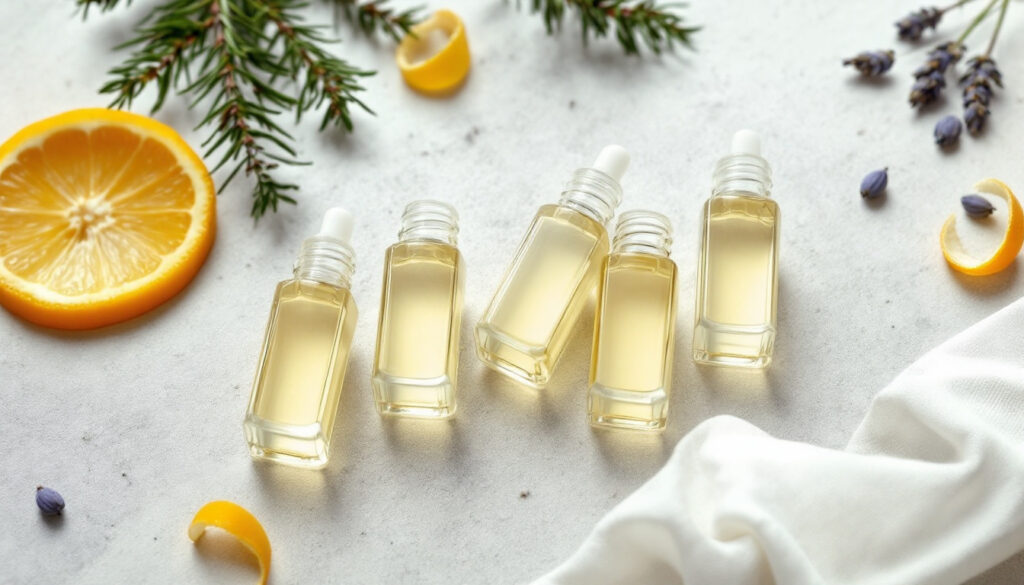
Terpenes are aromatic compounds. They are what makes pine smell like pine, lemon peel smell like lemon, and lavender smell like lavender. Cannabis produces a lot of them, but so does every other aromatic plant, and the same molecule from either source is the same molecule. Limonene from an orange and limonene from cannabis are chemically identical.
Cannabinoids are a different family, and they are the family the new rule is written about. If you want the fuller version of the distinction, terpenes and cannabinoids are built differently and behave differently.
What the statute actually targets
Section 781 of Public Law 119-37 works entirely in the language of cannabinoids. The total THC threshold covers tetrahydrocannabinols including THCA. The 0.4 milligram per container cap covers total THC plus “any other cannabinoids that have similar effects (or are marketed to have similar effects)… as a tetrahydrocannabinol”.
Every operative limit is about cannabinoids. Terpenes are not cannabinoids and do not produce tetrahydrocannabinol-like effects, so they are not what these clauses are reaching for.
The statute also protects non-cannabinoid uses of the plant explicitly. Its separate definition of “industrial hemp” covers stalk and fiber, grain and seed, oil, cake, nut and hull, “or any other non-cannabinoid derivative, mixture, preparation, or manufacture”. The drafting is consistently interested in cannabinoids and consistently uninterested in the rest of the plant’s chemistry.
The honest caveats
Two, and they matter.
First, a product is a whole product. A terpene-forward item that still carries cannabinoids over the combined cap is caught by the cap, because the rule looks at what is in the container, not at what the marketing emphasises. Calling something a terpene product does not exempt its cannabinoid content.
Second, terpenes are regulated in other ways, and always have been. Food, cosmetic, flavoring and inhalation uses each have their own rules and their own safety expectations, and some terpenes are irritants at concentrations people would not guess. “Not covered by this hemp provision” is not the same as “unregulated”, and it is certainly not the same as “safe at any dose”. Terpene safety deserves its own thinking.
Why this is where the category goes next
If intoxicating hemp contracts, the interesting question is what people were actually buying.
Some of it was the effect, plainly. But a large share was aroma, flavor, character and ritual. The reason one strain feels bright and another feels heavy has more to do with its aromatic profile than with a percentage on a label, which is the argument behind why THC percentage is a poor guide to experience.
Products built on that, aromatic drinks, flavor-led formulations, botanical blends, do not depend on a cannabinoid limit at all. How terpene combinations are built is the craft underneath them, and it is a genuinely interesting one.
That is not a downgrade. It is a category that was always there, mostly ignored because intoxication was easier to sell.
A note on what this is
This is a plain-English summary written on 24 July 2026 and checked against the primary documents rather than against other coverage. It is not legal advice, and it is not medical advice. Rules in this area move quickly, so check the date at the top before you rely on any of it.