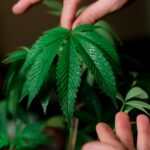


Purity standards define the minimum acceptable quality thresholds for terpene products, typically requiring 95 percent or higher purity with strict limits on contaminants like heavy metals, pesticides, and residual solvents. These benchmarks separate therapeutic-grade terpenes from low-quality extracts that may contain harmful adulterants or degraded compounds.
The terpene market has a major issue: there is no universal rulebook. You will find bottles labeled “pure” sitting next to each other, yet one may contain 97 percent target terpenes while another barely reaches 70 percent. The difference is significant, as it affects both consistency and safety.
Cannabis users often notice these differences. They compare terpene profiles from different regions and distinguish authentic aromatic complexity from lower-quality products. This matters because terpene purity directly impacts both safety and effectiveness.
Without standardized testing protocols, some manufacturers verify quality using advanced lab methods, while others make claims without proper validation. Reliable terpene products require quantifiable proof through lab testing that confirms what is actually present.
What Does USP Grade Terpenes Mean? Decoding Purity Classifications
USP grade terpenes meet pharmaceutical standards for purity, including strict limits on contaminants and verified chemical identity. This classification distinguishes them from food-grade or technical-grade terpenes, which follow less rigorous standards.
USP standards define precise specifications for chemical composition, heavy metal content, and residual solvent limits. Products labeled with this classification have undergone testing against these benchmarks.
There are three common grades: pharmaceutical grade (USP), food grade (FCC), and technical grade.
Technical-grade terpenes are typically used for industrial applications, while food-grade terpenes are safe for consumption but do not meet pharmaceutical-level purity requirements.
Pharmaceutical-grade terpenes usually exceed 98 percent purity and include detailed lab verification. Food-grade products generally fall between 90 and 95 percent purity, while technical-grade materials may range from 80 to 90 percent.
ISO certification ensures that manufacturers consistently meet these standards across production batches, not just in isolated cases. Understanding these classifications is a critical part of what to keep in mind while buying terpenes, as grade labeling alone is not enough to verify whether a product genuinely meets the purity threshold its packaging claims.
Cannabis-derived terpenes are less regulated, so understanding these classifications helps you evaluate product quality more accurately.
Numerical Purity Benchmarks: What Percentages Define High-Purity Standards
Purity percentages provide clear benchmarks for terpene quality. Higher purity levels generally indicate better refinement and fewer contaminants.
| Grade | Minimum Purity | Typical Contaminant Limits |
|---|---|---|
| Pharmaceutical | 98 to 99.5 percent | Very low contaminants |
| Food Grade | 90 to 95 percent | Moderate limits |
| Technical Grade | 80 to 90 percent | Variable limits |
Pharmaceutical Grade
Pharmaceutical-grade terpenes require at least 98 percent purity with verified lab analysis. These products include detailed composition reports showing individual terpene levels. When reviewing botanical extract sourcing, pharmaceutical-grade documentation is one of the clearest signals that a supplier is operating at the highest level of quality control.
Food Grade
Food-grade terpenes are used in flavoring and meet safety standards for consumption. They typically range from 90 to 95 percent purity. For brands formulating edibles or beverages, understanding the role of plant-based compounds in cannabis and adjacent industries helps clarify why food-grade certification carries weight as a minimum acceptable standard for ingestible products.
Cannabis Terpenes
Cannabis-derived terpenes often lack standardized purity requirements. Some producers use advanced testing, while others rely on internal quality control. Keeping up with the latest cannabis research on terpenes helps brands and consumers stay informed about emerging testing methodologies and evolving quality expectations specific to cannabis-derived terpene products.
The difference between 80 percent and 99 percent purity can significantly affect both safety and performance.
Lab Testing Methods That Verify Purity
Laboratory testing confirms terpene identity, concentration, and safety. These methods help verify purity claims and detect contaminants.
GC-MS Analysis
Gas chromatography mass spectrometry separates compounds and identifies them based on molecular characteristics. This method is widely used to confirm terpene identity and detect impurities. It is the same methodology applied when comparing the chemical fingerprints of live resin and cured resin terpenes, making it an indispensable tool for any brand that wants to verify the integrity of its sourced terpene extracts.
HPLC Testing
High-performance liquid chromatography measures compounds without heat, making it useful for sensitive materials that may degrade during testing. This method is particularly valuable when assessing delicate terpene compounds like linalool or nerolidol that are prone to structural changes when exposed to elevated temperatures during standard GC analysis.
FTIR Spectroscopy
This method provides rapid screening and identifies chemical structures, though it is less precise than other techniques.
Third-Party Testing
Independent laboratories perform unbiased testing and generate certificates of analysis. These reports include details about terpene composition, purity, and contaminant levels. Investing in cannabis education on terpenes equips both brands and consumers to read these certificates critically and identify when a COA is genuinely comprehensive versus one that omits the specific contaminant panels that matter most for their product category.
Third-party verification provides greater reliability compared to in-house testing.
What Is a Good Terpene Count? Understanding Concentration vs Quality
A good terpene concentration in cannabis flower typically ranges from 1 to 3 percent, with premium products reaching higher levels. However, concentration alone does not determine quality.
A diverse terpene profile with balanced compounds often provides better results than a single dominant terpene at high levels. Reviewing the best terpene-rich cannabis products currently available illustrates this point clearly, as the highest-regarded formulations consistently prioritize terpene diversity and compositional balance over raw concentration figures.
For example, a product with multiple terpenes in moderate concentrations may deliver more complex effects than one with a high percentage of a single compound. This is precisely why the entourage effect is central to how quality-focused brands approach terpene formulation. Quality depends on both concentration and composition.
Regulatory Frameworks and ISO Certification for Terpene Purity
ISO certification establishes international standards for laboratory testing. Certified labs follow validated procedures to ensure accurate and consistent results.
In the United States, cannabis testing laboratories often require ISO accreditation to analyze terpene and cannabinoid content.
Federal regulations for terpenes are limited, particularly for cannabis-derived products. However, some requirements exist for hemp-derived products, including limits on THC content.
State regulations vary, creating a complex regulatory landscape. Some states require comprehensive safety testing, while others have less strict standards. International markets have different requirements, often requiring detailed documentation of terpene composition and origin.
ISO certification ensures consistency across different testing environments, providing more reliable results. Brands exploring their sourcing options should consider consulting resources on the best places to buy terpenes online to identify which suppliers operate under ISO-certified testing frameworks and can provide the documentation needed to satisfy both domestic and international compliance requirements.
Maintaining Purity: Storage, Handling, and Shelf-Life Best Practices
Proper storage is essential to maintain terpene purity and effectiveness.
Temperature Control: Store terpenes at moderate temperatures, ideally between 60 and 70 degrees Fahrenheit. Higher temperatures can degrade compounds and reduce quality. This is especially important for heat-sensitive compounds like myrcene and limonene, which are among the most volatile terpenes commonly found in cannabis products and are the first to degrade when storage conditions are not properly controlled.
Light Protection: Exposure to light can damage terpene structures. Use dark or tinted containers to minimize degradation.
Air Exposure: Limit exposure to air to prevent oxidation. Keep containers sealed when not in use.
Shelf Life: Terpenes typically remain stable for 6 to 12 months when stored properly. Over time, degradation can reduce both concentration and effectiveness.
Making Informed Choices About Terpene Quality
High-quality terpene products typically exceed 95 percent purity and include verified lab testing. Certificates of analysis should confirm composition, purity levels, and absence of contaminants.
Choosing products with transparent testing and reliable certifications helps ensure both safety and consistency. Understanding purity standards allows you to evaluate terpene products more effectively and make informed decisions based on quality rather than marketing claims. For consumers and brands ready to take the next step, exploring the best places to buy terpenes online provides a practical starting point for identifying suppliers whose purity standards, testing transparency, and sourcing practices genuinely align with the benchmarks this guide outlines.